
- How Blue Light Impacts Your Sleep Quality
- Comparing Whey and Plant-Based Protein: Which is Best?
- How Long Does Nicotine Remain in Your System?
- The Best Time of Day to Drink Bone Broth to Maximize Health Benefits
- 8 Ways to Increase Dopamine Naturally
- 7 Best Breads for Maintaining Stable Blood Sugar
- Gelatin vs. Collagen: Which is Best for Skin, Nails, and Joints?
- The Long-Term Effects of Daily Turmeric Supplements on Liver Health
- Could Your Grocery Store Meat Be Causing Recurring UTIs?
- Are You Making This Expensive Thermostat Error This Winter?
-

-
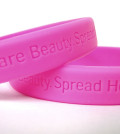 Alcohol Near Start of Pregnancy Linked to Premature Babies
Educated whites most likely to exceed drinking recommendations, British study finds
- Posted March 10, 2014
-
 ‘Senior Moments’ Don’t Seem to Lead to Dementia for Most
Study reassuring for people with 'mild cognitive impairment,' experts say
- Posted March 10, 2014
-
 Just 1.5 Hours of TV a Day May Disrupt Kids’ Sleep, Study Says
The more they watch, the greater the sleep loss
- Posted March 10, 2014
-
 Elderly Diabetes Patients on Insulin Most Vulnerable to Low-Blood-Sugar Trouble
Study found they were more than twice as likely to end up in ER, five times more likely to be hospitalized
- Posted March 10, 2014
-
 Just 1.5 Hours of TV a Day May Disrupt Kids’ Sleep, Study Says
The more they watch, the greater the sleep loss
- Posted March 10, 2014
-
 Elderly Diabetes Patients on Insulin Most Vulnerable to Low-Blood-Sugar Trouble
Study found they were more than twice as likely to end up in ER, five times more likely to be hospitalized
- Posted March 10, 2014
-
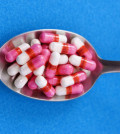 Weed Use Up, Cocaine Use Down, U.S. Report Finds
Review covered 2000 to 2010, so doesn't reflect suspected increase in heroin use
- Posted March 10, 2014
-
 Kids Who Repeat a Grade Can Become Discipline Problems, Study Says
Schools that had more repeaters had more suspensions, other signs of trouble in student body
- Posted March 10, 2014
-
 September Peak Month for Kids’ Asthma Flares: Study
Experts say rise in allergy triggers, summer medication 'breaks' and back-to-school virus exposure may all contribute
- Posted March 10, 2014
Related
-
 Navigating Your Midlife Crisis: Embracing New Possibilities
A midlife crisis can open doors to personal growth...
- December 4, 2025
-
 Want A Happier Hospital? Hire More Nurses, Study Says
Adding even a few extra nurses can dramatically reduce...
- November 20, 2025
-
 Plasma Treatment Shows Promise For Menopause Symptoms Among Breast Cancer Survivors
Plasma infusions may help breast cancer survivors avoid genital...
- November 20, 2025
-
 Self-Hypnosis Can Thwart Hot Flashes
Self-hypnosis might help some women in menopause find relief...
- November 14, 2025





