
- How Blue Light Impacts Your Sleep Quality
- Comparing Whey and Plant-Based Protein: Which is Best?
- How Long Does Nicotine Remain in Your System?
- The Best Time of Day to Drink Bone Broth to Maximize Health Benefits
- 8 Ways to Increase Dopamine Naturally
- 7 Best Breads for Maintaining Stable Blood Sugar
- Gelatin vs. Collagen: Which is Best for Skin, Nails, and Joints?
- The Long-Term Effects of Daily Turmeric Supplements on Liver Health
- Could Your Grocery Store Meat Be Causing Recurring UTIs?
- Are You Making This Expensive Thermostat Error This Winter?
-
 30 Former NFL Players Pledge Their Brains for Research
Donations will be used to study CTE, other conditions linked to repetitive head trauma
- Posted February 3, 2017
-
Why Certain Noises Really Irritate Some People
'Misophonia' is a disorder that can make a person's brain go into overdrive, researchers report
- Posted February 3, 2017
-
 Obstetric Complications Tied to Slightly Upped Risk for Autism
Study suggests link, but one expert stressed that most complicated pregnancies result in babies without autism
- Posted February 3, 2017
-
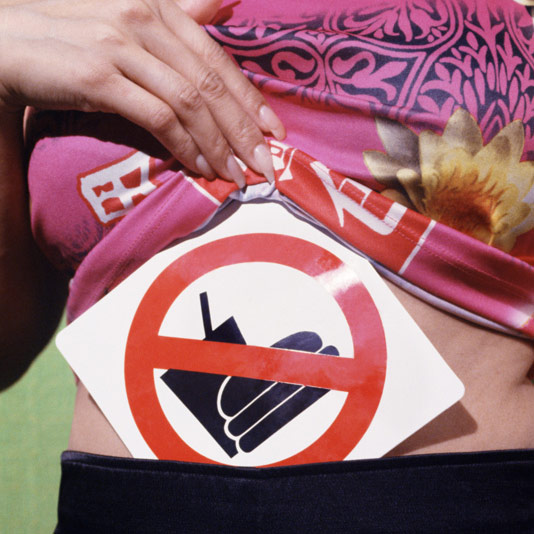 Substitutions for a ‘Slimmer Bowl’ Football Party
Game-day tip: Swap out calorie-laden staples with healthier fare
- Posted February 3, 2017
-
 Black Americans Still Undertreated for HIV
Nearly 1 in 4 had progressed to AIDS at time of diagnosis: CDC
- Posted February 3, 2017
-
 Obese Couples May Take Longer to Conceive
His weight appears to affect pregnancy success, too, study finds
- Posted February 3, 2017
-
 Health Highlights: Feb. 3, 2017
CDC Warns Travelers About Yellow Fever in Brazil
- Posted February 3, 2017
-
 Sleep: The Great Motivator
With adequate rest, you're more likely to stick to your resolutions, neurologist says
- Posted February 3, 2017
-
 What to Do If You Think You’re Having a Heart Attack
Don't ignore chest pain and seek medical attention immediately, heart specialists say
- Posted February 3, 2017
-
 Certain Bacteria May Affect Preterm Birth Risk
Bad 'bugs' tied to raised risk of early delivery, while good ones seem to be protective, researchers say
- Posted February 3, 2017
Related
-
 Navigating Your Midlife Crisis: Embracing New Possibilities
A midlife crisis can open doors to personal growth...
- December 4, 2025
-
 Want A Happier Hospital? Hire More Nurses, Study Says
Adding even a few extra nurses can dramatically reduce...
- November 20, 2025
-
 Plasma Treatment Shows Promise For Menopause Symptoms Among Breast Cancer Survivors
Plasma infusions may help breast cancer survivors avoid genital...
- November 20, 2025
-
 Self-Hypnosis Can Thwart Hot Flashes
Self-hypnosis might help some women in menopause find relief...
- November 14, 2025





