
- How Blue Light Impacts Your Sleep Quality
- Comparing Whey and Plant-Based Protein: Which is Best?
- How Long Does Nicotine Remain in Your System?
- The Best Time of Day to Drink Bone Broth to Maximize Health Benefits
- 8 Ways to Increase Dopamine Naturally
- 7 Best Breads for Maintaining Stable Blood Sugar
- Gelatin vs. Collagen: Which is Best for Skin, Nails, and Joints?
- The Long-Term Effects of Daily Turmeric Supplements on Liver Health
- Could Your Grocery Store Meat Be Causing Recurring UTIs?
- Are You Making This Expensive Thermostat Error This Winter?
Time for a Makeup Refresh?
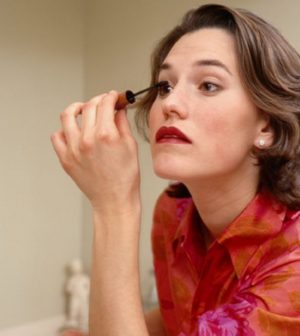
You love a certain shade of lipstick, but do you know how long ago you bought this particular tube of it?
Makeup has a shelf life and, after a set amount of time, many cosmetics need to be tossed out, even if they haven’t been used up.
Manufacturers aren’t required to put an expiration date on makeup, according to the U.S. Food & Drug Administration (FDA), but many do. So, consider buying brands that do a lot of safety testing and list results on packages.
The FDA cautions that any expiration date is often just a guideline and a product’s safety may expire long before its date if not properly stored. For example, if it’s been exposed to high temperatures or sunlight. Yet when kept under ideal conditions, it may be usable long after the expiration date.
Know that products marked “all natural” and those without traditional preservatives may have a short shelf life. Record any dates before you throw out the packaging.
Make it a habit to check your cosmetics often for signs of deterioration. Throw out any that have changed in color or developed an odor, even if the expiration date hasn’t yet been reached.
While many items, like powder, can last up to 2 years, mascara should be replaced every 3 months. All eye makeup should be replaced any time you get an eye infection because your cosmetics could have been exposed to the bacteria — and you could re-infect yourself if you continue to use them.
Avoiding bacteria is the main reason to never share cosmetics, even with loved ones. (Testers at beauty counters in stores are particularly vulnerable and shouldn’t be used. Ask if there are any individually packaged samples you can try instead.)
More information
The U.S. Food and Drug Administration has answers to many common questions about the shelf life of cosmetics and other safety advice.
Source: HealthDay
Copyright © 2026 HealthDay. All rights reserved.
Related
-
 Navigating Your Midlife Crisis: Embracing New Possibilities
A midlife crisis can open doors to personal growth...
- December 4, 2025
-
 Want A Happier Hospital? Hire More Nurses, Study Says
Adding even a few extra nurses can dramatically reduce...
- November 20, 2025
-
 Plasma Treatment Shows Promise For Menopause Symptoms Among Breast Cancer Survivors
Plasma infusions may help breast cancer survivors avoid genital...
- November 20, 2025
-
 Self-Hypnosis Can Thwart Hot Flashes
Self-hypnosis might help some women in menopause find relief...
- November 14, 2025






