
- How Blue Light Impacts Your Sleep Quality
- Comparing Whey and Plant-Based Protein: Which is Best?
- How Long Does Nicotine Remain in Your System?
- The Best Time of Day to Drink Bone Broth to Maximize Health Benefits
- 8 Ways to Increase Dopamine Naturally
- 7 Best Breads for Maintaining Stable Blood Sugar
- Gelatin vs. Collagen: Which is Best for Skin, Nails, and Joints?
- The Long-Term Effects of Daily Turmeric Supplements on Liver Health
- Could Your Grocery Store Meat Be Causing Recurring UTIs?
- Are You Making This Expensive Thermostat Error This Winter?
For Female Soldiers, Deployment May Up Risk for Premature Birth
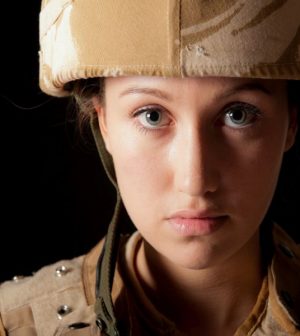
American soldiers who have babies after a recent deployment are at increased risk of preterm birth, a new study suggests.
The finding comes from the analysis of data on nearly 12,900 births to U.S. soldiers from 2011 to 2014. Overall, just over 6 percent of the births were premature — three or more weeks early. That rate is lower than in the general population.
However, the preterm birth rate among those who had returned from military deployment within the previous six months was 11.7 percent. On average, these women were younger, made less money and had lower levels of education than other military moms.
The Stanford University study was published March 1 in the American Journal of Epidemiology.
“What’s important is the timing of deployment,” said study author Dr. Jonathan Shaw, a clinical assistant professor of medicine at Stanford. Women recently back from deployment were at higher risk for preterm birth, the study found.
“Pregnancies that overlapped with deployment or the period of returning home were much more likely to end in preterm birth, which has impacts not only on the health of the infant, but also on the mother and family,” Shaw said in a university news release.
However, among women who’d recently returned, the degree of risk for premature birth did vary with their number of previous deployments. Chances of an early delivery were 1.6 times greater with one previous deployment, 2.7 times higher with two earlier deployments and 3.8 times greater with three or more previous deployments, compared with women who’d never been deployed.
Among soldiers who had babies within six months after returning from deployment, 74 percent were deployed seven to 10 months before giving birth. This suggests that, in many cases, conception occurred during deployment.
Pregnancy during deployment is considered a medical emergency that requires immediate evacuation from conflict areas, the researchers noted.
“The concerns raised by these findings are heightened in the context of prior research documenting high rates of unintended pregnancy in the military and emerging evidence that the most reliable forms of contraception (long-acting reversible contraceptives) are underutilized in the Army, especially around the time of deployment,” the study authors wrote.
“This study shows that the time around deployment is a period during which we should empower our soldiers to prevent unintended pregnancies,” Shaw said.
“It’s reassuring that deployment itself is not a risk factor for having a premature baby,” but female soldiers need to understand the risks of becoming pregnant around the time of deployment, Shaw said.
“We could tell them, ‘It’s a pretty stressful time; consider returning home and settling in for a few months before you add to your family,’ ” he suggested.
More information
The U.S. National Institute of Child Health and Human Development has more on preterm labor and birth.
Source: HealthDay
Copyright © 2026 HealthDay. All rights reserved.
Related
-
 Navigating Your Midlife Crisis: Embracing New Possibilities
A midlife crisis can open doors to personal growth...
- December 4, 2025
-
 Want A Happier Hospital? Hire More Nurses, Study Says
Adding even a few extra nurses can dramatically reduce...
- November 20, 2025
-
 Plasma Treatment Shows Promise For Menopause Symptoms Among Breast Cancer Survivors
Plasma infusions may help breast cancer survivors avoid genital...
- November 20, 2025
-
 Self-Hypnosis Can Thwart Hot Flashes
Self-hypnosis might help some women in menopause find relief...
- November 14, 2025






