
- How Blue Light Impacts Your Sleep Quality
- Comparing Whey and Plant-Based Protein: Which is Best?
- How Long Does Nicotine Remain in Your System?
- The Best Time of Day to Drink Bone Broth to Maximize Health Benefits
- 8 Ways to Increase Dopamine Naturally
- 7 Best Breads for Maintaining Stable Blood Sugar
- Gelatin vs. Collagen: Which is Best for Skin, Nails, and Joints?
- The Long-Term Effects of Daily Turmeric Supplements on Liver Health
- Could Your Grocery Store Meat Be Causing Recurring UTIs?
- Are You Making This Expensive Thermostat Error This Winter?
Trying a New Sport? Remember, You’re Not (Yet) an Olympian
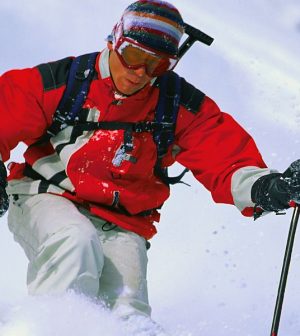
If watching the Winter Olympics made you want to try some new sports, go slow and ease into them, sports medicine experts caution.
“The biggest issue we see are people who push too hard when trying something for the first time, and it gets out of control,” said Dr. Jayson Loeffert, a sports medicine doctor with Penn State Health.
Whatever new sport you try, “you want to do it at a level you are comfortable with,” he said in a university news release.
That starts with proper training.
“Whether it’s a winter or summer sport, you should go into any athletic activity with some element of preparation,” said Dr. Aman Dhawan, an orthopedic surgeon with Penn State Health. “You’ll get more enjoyment from a performance standpoint, but it’s also really important for injury prevention as well.”
For instance, cardiovascular training helps boost endurance. Strength training builds up muscle around the bones and joints, which can help prevent injuries and speed recovery when injuries do occur.
Loeffert said it’s also important to use equipment that matches your skill level.
“The skis they use in the Olympics are very long because that helps you go fast, but they are also harder to control,” he said. “If you’re not at that level, you’ll want a shorter ski that is easier to control.”
A helmet can help prevent scalp cuts and skull fractures. What it can’t do, Loeffert said, is eliminate the risk of concussion.
“That is a common misconception,” he said. “Many people believe their helmet will stop them from getting a concussion, but this just isn’t true. The brain still moves within the head, and this cannot be changed by using a helmet.”
That said, most injuries from winter sports are minor, Loeffert said — bumps and bruises that require just ice, over-the-counter pain medicine and rest.
More information
The American Academy of Orthopaedic Surgeons has more on winter sports safety.
Source: HealthDay
Copyright © 2026 HealthDay. All rights reserved.
Related
-
 Navigating Your Midlife Crisis: Embracing New Possibilities
A midlife crisis can open doors to personal growth...
- December 4, 2025
-
 Want A Happier Hospital? Hire More Nurses, Study Says
Adding even a few extra nurses can dramatically reduce...
- November 20, 2025
-
 Plasma Treatment Shows Promise For Menopause Symptoms Among Breast Cancer Survivors
Plasma infusions may help breast cancer survivors avoid genital...
- November 20, 2025
-
 Self-Hypnosis Can Thwart Hot Flashes
Self-hypnosis might help some women in menopause find relief...
- November 14, 2025





 an Olympian)