
- How Blue Light Impacts Your Sleep Quality
- Comparing Whey and Plant-Based Protein: Which is Best?
- How Long Does Nicotine Remain in Your System?
- The Best Time of Day to Drink Bone Broth to Maximize Health Benefits
- 8 Ways to Increase Dopamine Naturally
- 7 Best Breads for Maintaining Stable Blood Sugar
- Gelatin vs. Collagen: Which is Best for Skin, Nails, and Joints?
- The Long-Term Effects of Daily Turmeric Supplements on Liver Health
- Could Your Grocery Store Meat Be Causing Recurring UTIs?
- Are You Making This Expensive Thermostat Error This Winter?
Turn Down the Music. Here’s Why.
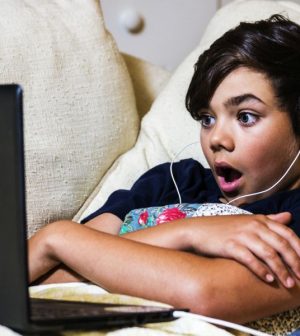
Parents annoyed by the loud music that their teens listen to might have good reason to worry.
About 20 percent of American kids aged 12 to 19 have some degree of hearing loss, a national survey found. And, according to the World Health Organization, 50 percent of people up to age 35 are at risk as well.
Technology is partly to blame. Loud music from car radios, CD players and concerts were bad enough, hearing experts say. But now, earbuds have amped up the problem as they deliver sound directly into the ear canal. Also, cellphones and personal audio players allow nearly nonstop listening.
This can lead to high-frequency hearing loss. That’s the type of hearing damage that gunshots and similar loud noises can cause.
Research has shown, though, that this type of hearing loss is usually not detected by the routine hearing tests often given at schools. Those are the tests that ask you to raise your hand when you hear a tone. Instead, those tests screen mainly for low-frequency loss. That’s the type typically seen in younger kids, caused by ear infections.
Also, the questions asked during school screenings aren’t specifically developed for kids or current listening habits, according to pediatric hearing experts from Penn State University. They’re developing tests that would better identify high-frequency hearing loss.
In the meantime, parents worried about possible hearing loss in a child (or themselves) should ask their doctor about seeing a hearing specialist, called an audiologist.
Safer listening habits also can help. The American Academy of Pediatrics recommends that kids:
- Turn down the volume on their audio players to about 60 percent.
- Take breaks after an hour of listening. That means pulling out those earbuds.
- Make sure they can talk to others and hear what’s going on around them while listening to music.
As one pediatrician said: “As a dad, I used to say to my own kids, ‘If I can hear it, it’s too loud.'”
More information
The Nemours Foundation has more on earbuds and hearing.
Source: HealthDay
Copyright © 2026 HealthDay. All rights reserved.
Related
-
 Navigating Your Midlife Crisis: Embracing New Possibilities
A midlife crisis can open doors to personal growth...
- December 4, 2025
-
 Want A Happier Hospital? Hire More Nurses, Study Says
Adding even a few extra nurses can dramatically reduce...
- November 20, 2025
-
 Plasma Treatment Shows Promise For Menopause Symptoms Among Breast Cancer Survivors
Plasma infusions may help breast cancer survivors avoid genital...
- November 20, 2025
-
 Self-Hypnosis Can Thwart Hot Flashes
Self-hypnosis might help some women in menopause find relief...
- November 14, 2025






