
- How Blue Light Impacts Your Sleep Quality
- Comparing Whey and Plant-Based Protein: Which is Best?
- How Long Does Nicotine Remain in Your System?
- The Best Time of Day to Drink Bone Broth to Maximize Health Benefits
- 8 Ways to Increase Dopamine Naturally
- 7 Best Breads for Maintaining Stable Blood Sugar
- Gelatin vs. Collagen: Which is Best for Skin, Nails, and Joints?
- The Long-Term Effects of Daily Turmeric Supplements on Liver Health
- Could Your Grocery Store Meat Be Causing Recurring UTIs?
- Are You Making This Expensive Thermostat Error This Winter?
Gene Twist Can Make Your Blood Pressure Spike From Salt
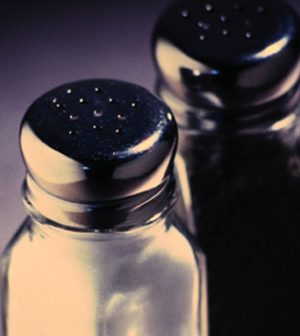
New research sheds light on why some people’s blood pressure is especially sensitive to salt.
The research team previously discovered that a natural gene variation that occurs in 48 percent of people increases a person’s chances of having blood pressure that’s sensitive to salt. Their new study revealed how this gene variant prevents the body from eliminating excess salt.
The gene variant causes a sodium (salt) transporter called NBCe2 to overwork, bringing too much sodium filtered in the kidney back into the body, particularly after a high-salt meal. That means that consuming too much salt could be especially dangerous for people with this gene variant.
Blood pressure that’s sensitive to salt can be difficult to diagnose and treat, according to the researchers, because about 14 percent of people can have normal blood pressure and still be salt-sensitive.
About three out of 10 people are sensitive to salt and their inability to eliminate excess salt puts them at increased risk of heart attack, stroke, kidney failure and blindness, according to study senior author Robin Felder, from the department of pathology at the University of Virginia School of Medicine, and colleagues.
“It’s important for the body to get rid of excess sodium because having too much sodium in the body causes the body to retain water, which can raise blood pressure and significantly shorten one’s lifespan,” Felder said in a university news release.
The study was published online recently in the journal PLOS One.
More information
The American Heart Association has more on salt.
Source: HealthDay
Copyright © 2026 HealthDay. All rights reserved.
Related
-
 Navigating Your Midlife Crisis: Embracing New Possibilities
A midlife crisis can open doors to personal growth...
- December 4, 2025
-
 Want A Happier Hospital? Hire More Nurses, Study Says
Adding even a few extra nurses can dramatically reduce...
- November 20, 2025
-
 Plasma Treatment Shows Promise For Menopause Symptoms Among Breast Cancer Survivors
Plasma infusions may help breast cancer survivors avoid genital...
- November 20, 2025
-
 Self-Hypnosis Can Thwart Hot Flashes
Self-hypnosis might help some women in menopause find relief...
- November 14, 2025






