
- How Blue Light Impacts Your Sleep Quality
- Comparing Whey and Plant-Based Protein: Which is Best?
- How Long Does Nicotine Remain in Your System?
- The Best Time of Day to Drink Bone Broth to Maximize Health Benefits
- 8 Ways to Increase Dopamine Naturally
- 7 Best Breads for Maintaining Stable Blood Sugar
- Gelatin vs. Collagen: Which is Best for Skin, Nails, and Joints?
- The Long-Term Effects of Daily Turmeric Supplements on Liver Health
- Could Your Grocery Store Meat Be Causing Recurring UTIs?
- Are You Making This Expensive Thermostat Error This Winter?
After Age 50, Yearly Eye Checks May Catch Common Cause of Vision Loss
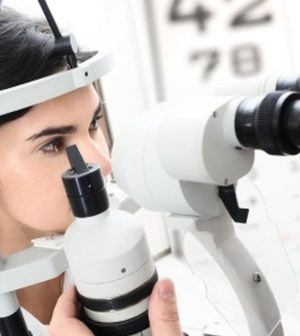
As the U.S. population ages, vision loss caused by age-related macular degeneration is likely to increase, an ophthalmologist says.
Adults over 50 should get an annual test for the condition, said Dr. Ingrid Scott, a professor of ophthalmology at Penn State College of Medicine.
Blurry or distorted vision could be symptoms of age-related macular degeneration, not just inevitable signs of growing old, she said.
“The symptoms of age-related macular degeneration develop as people get older, and many times people think the symptoms are due to a cataract or are an inevitable part of aging, so they don’t go to get a dilated eye examination,” Scott said in a school news release.
But the eye disorder is the leading cause of severe vision loss in people age 50 and older in developed countries, she said.
Along with aging, the condition is linked with long-term exposure to risk factors such as cigarette smoking, sunlight and a suboptimal diet. Genetics also play a role.
About 1.7 million Americans 40 and older have age-related macular degeneration, according to Scott.
Whites are at higher risk than blacks, and people with high blood pressure or cholesterol are also at increased risk.
You can help safeguard your vision by getting regular exercise and eating a diet rich in green, leafy vegetables and fish, according to the U.S. National Eye Institute.
Controlling cholesterol and blood pressure, avoiding smoking and protecting your eyes from the sun may also help prevent age-related macular degeneration, Scott said.
More information
The U.S. National Eye Institute has more on age-related macular degeneration.
Source: HealthDay
Copyright © 2026 HealthDay. All rights reserved.
Related
-
 Navigating Your Midlife Crisis: Embracing New Possibilities
A midlife crisis can open doors to personal growth...
- December 4, 2025
-
 Want A Happier Hospital? Hire More Nurses, Study Says
Adding even a few extra nurses can dramatically reduce...
- November 20, 2025
-
 Plasma Treatment Shows Promise For Menopause Symptoms Among Breast Cancer Survivors
Plasma infusions may help breast cancer survivors avoid genital...
- November 20, 2025
-
 Self-Hypnosis Can Thwart Hot Flashes
Self-hypnosis might help some women in menopause find relief...
- November 14, 2025






