
- How Blue Light Impacts Your Sleep Quality
- Comparing Whey and Plant-Based Protein: Which is Best?
- How Long Does Nicotine Remain in Your System?
- The Best Time of Day to Drink Bone Broth to Maximize Health Benefits
- 8 Ways to Increase Dopamine Naturally
- 7 Best Breads for Maintaining Stable Blood Sugar
- Gelatin vs. Collagen: Which is Best for Skin, Nails, and Joints?
- The Long-Term Effects of Daily Turmeric Supplements on Liver Health
- Could Your Grocery Store Meat Be Causing Recurring UTIs?
- Are You Making This Expensive Thermostat Error This Winter?
Measure Your Blood Pressure at Home? New Guidelines Set Healthy Readings
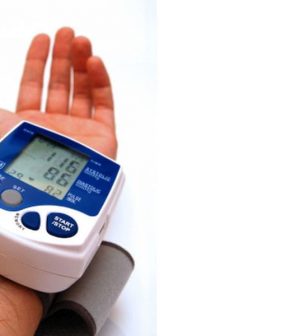
When you’re taking your blood pressure at home, a reading of 130 over 80 or above should be considered high, researchers report.
A reading of 120 over 80 is considered in the normal range.
“Most guidelines have recommended out-of-office monitoring for diagnosis of hypertension, but the normal limits of home blood pressure have not been accurately determined in the U.S. population,” said study leader Dr. Wanpen Vongpatanasin. She is director of the Hypertension Fellowship Program at University of Texas Southwestern Medical Center in Dallas.
In the study, the researchers analyzed data on nearly 3,700 U.S. adults, aged 30 to 65. The finding matches guidelines issued in 2017 by the American College of Cardiology and the American Heart Association.
Co-author Dr. James de Lemos is a professor of internal medicine who holds a chair in cardiology at UT. “This study confirms the value of monitoring blood pressure at home as part of a comprehensive cardiovascular disease prevention strategy,” he said in a university news release.
Nearly half of U.S. adults have high blood pressure. At-home blood pressure screening can better predict high blood pressure than a single measurement taken at a doctor’s office, according to cardiologists.
This is due to a phenomenon called “white-coat syndrome,” when blood pressure readings are higher when taken at the doctor’s office due to patient anxiety, Vongpatanasin explained.
“Home blood pressure readings should be taken after resting quietly for five minutes. They should be taken multiple times, preferably twice a day over five to seven days with a minimum of two readings each time,” Vongpatanasin said.
The study was published Oct. 29 in the journal Hypertension.
More information
The American Heart Association has more on blood pressure readings.
Source: HealthDay
Copyright © 2026 HealthDay. All rights reserved.
Related
-
 Navigating Your Midlife Crisis: Embracing New Possibilities
A midlife crisis can open doors to personal growth...
- December 4, 2025
-
 Want A Happier Hospital? Hire More Nurses, Study Says
Adding even a few extra nurses can dramatically reduce...
- November 20, 2025
-
 Plasma Treatment Shows Promise For Menopause Symptoms Among Breast Cancer Survivors
Plasma infusions may help breast cancer survivors avoid genital...
- November 20, 2025
-
 Self-Hypnosis Can Thwart Hot Flashes
Self-hypnosis might help some women in menopause find relief...
- November 14, 2025






