
- How Blue Light Impacts Your Sleep Quality
- Comparing Whey and Plant-Based Protein: Which is Best?
- How Long Does Nicotine Remain in Your System?
- The Best Time of Day to Drink Bone Broth to Maximize Health Benefits
- 8 Ways to Increase Dopamine Naturally
- 7 Best Breads for Maintaining Stable Blood Sugar
- Gelatin vs. Collagen: Which is Best for Skin, Nails, and Joints?
- The Long-Term Effects of Daily Turmeric Supplements on Liver Health
- Could Your Grocery Store Meat Be Causing Recurring UTIs?
- Are You Making This Expensive Thermostat Error This Winter?
Be Prepared to Take FAST Action If You Suspect a Stroke
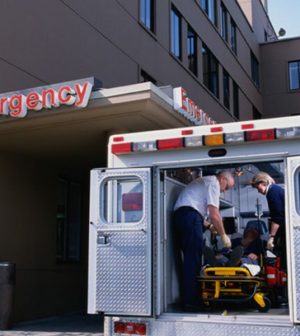
Would you be able to recognize if you or someone close to you were having a stroke? A stroke is a 911 medical emergency and every second counts for survival.
To help you recognize the signs of stroke, the National Stroke Association wants you to remember F-A-S-T, or fast.
F stands for “face.” Signs of stroke include drooping or numbness on just one side of the face. An uneven smile is another clue that something’s wrong.
A stands for “arm.” Is just one arm weak or numb? If the person tries to lift both arms, does one drift downward? In general, stroke signs appear on just one side of the body.
S stands for “speech.” When a stroke happens, the person can’t speak or their speech is slurred or hard to understand. He or she won’t be able to accurately repeat a simple sentence.
T stands for “time.” It’s time to call 911 if you see any of these symptoms. Even if the symptoms go away, the person needs to get to the hospital fast. There’s a finite window of opportunity for care, particularly the administration of a specialized clot-busting medication, needed when the stroke is due to a blood clot.
More Signs of Stroke
- Sudden numbness or weakness in one leg.
- Sudden confusion.
- Trouble understanding, seeing or walking.
- Dizziness or lack of balance.
- A sudden severe headache with no known cause.
It’s good to know the name and location of the stroke center nearest to you. Leading hospitals and medical centers with comprehensive stroke services often carry the designation “Certificate of Distinction” from the Joint Commission, an accreditation organization. You can access a stroke center database at qualitycheck.org.
To protect yourself and loved ones, learn all you can about stroke now, so you’ll be prepared should an emergency strike.
More information
The National Stroke Association has more facts about stroke.
Source: HealthDay
Copyright © 2026 HealthDay. All rights reserved.
Related
-
 Navigating Your Midlife Crisis: Embracing New Possibilities
A midlife crisis can open doors to personal growth...
- December 4, 2025
-
 Want A Happier Hospital? Hire More Nurses, Study Says
Adding even a few extra nurses can dramatically reduce...
- November 20, 2025
-
 Plasma Treatment Shows Promise For Menopause Symptoms Among Breast Cancer Survivors
Plasma infusions may help breast cancer survivors avoid genital...
- November 20, 2025
-
 Self-Hypnosis Can Thwart Hot Flashes
Self-hypnosis might help some women in menopause find relief...
- November 14, 2025






