
- How Blue Light Impacts Your Sleep Quality
- Comparing Whey and Plant-Based Protein: Which is Best?
- How Long Does Nicotine Remain in Your System?
- The Best Time of Day to Drink Bone Broth to Maximize Health Benefits
- 8 Ways to Increase Dopamine Naturally
- 7 Best Breads for Maintaining Stable Blood Sugar
- Gelatin vs. Collagen: Which is Best for Skin, Nails, and Joints?
- The Long-Term Effects of Daily Turmeric Supplements on Liver Health
- Could Your Grocery Store Meat Be Causing Recurring UTIs?
- Are You Making This Expensive Thermostat Error This Winter?
After a Stroke, Your Bones Need Care
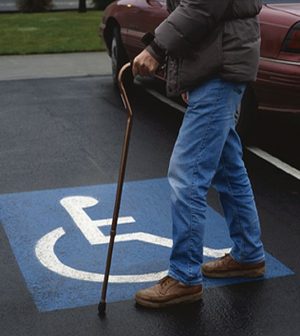
Stroke survivors often face limited mobility, which quadruples their odds of osteoporosis, broken bones and falls. But most are never screened for these problems, new research reveals.
“Our study adds to previous research that found despite an increased risk, only a small number of people who have recently had a stroke are tested and treated for osteoporosis,” said lead author Dr. Moira Kapral. She is director of general internal medicine at the University of Toronto.
Impaired mobility can result in bone mineral density decline, which is associated with osteoporosis. The condition weakens bones and increases risk of fractures.
In this study, researchers looked at more than 16,500 Canadian stroke survivors, aged 65 and older, from Ontario. Of these patients, only 5% had undergone bone mineral density testing; 15.5% had been prescribed medications for osteoporosis within the year after their stroke, and only a small percentage were prescribed medications for osteoporosis for the first time.
Patients most likely to have bone mineral density testing tended to be younger, female and to have had low-trauma fractures in the year after their stroke.
Patients were more likely to be prescribed medications for osteoporosis after their stroke if they were female, already had the bone-thinning disease, had previously broken bones, had previous bone mineral density testing, or had fallen or broke bones after their stroke.
The study was published April 25 in the journal Stroke.
“This study offers more evidence that there is a missed opportunity to identify people with stroke at increased risk of fractures, and to initiate treatment to prevent bone loss and fractures,” Kapral said in a journal news release.
Less than one-third of older U.S. women are screened for osteoporosis. The maximum treatment rate for some high-risk patients is about 30%, the researchers pointed out.
More information
The U.S. Office on Women’s Health has more about osteoporosis.
Source: HealthDay
Copyright © 2026 HealthDay. All rights reserved.
Related
-
 Navigating Your Midlife Crisis: Embracing New Possibilities
A midlife crisis can open doors to personal growth...
- December 4, 2025
-
 Want A Happier Hospital? Hire More Nurses, Study Says
Adding even a few extra nurses can dramatically reduce...
- November 20, 2025
-
 Plasma Treatment Shows Promise For Menopause Symptoms Among Breast Cancer Survivors
Plasma infusions may help breast cancer survivors avoid genital...
- November 20, 2025
-
 Self-Hypnosis Can Thwart Hot Flashes
Self-hypnosis might help some women in menopause find relief...
- November 14, 2025






