
- How Blue Light Impacts Your Sleep Quality
- Comparing Whey and Plant-Based Protein: Which is Best?
- How Long Does Nicotine Remain in Your System?
- The Best Time of Day to Drink Bone Broth to Maximize Health Benefits
- 8 Ways to Increase Dopamine Naturally
- 7 Best Breads for Maintaining Stable Blood Sugar
- Gelatin vs. Collagen: Which is Best for Skin, Nails, and Joints?
- The Long-Term Effects of Daily Turmeric Supplements on Liver Health
- Could Your Grocery Store Meat Be Causing Recurring UTIs?
- Are You Making This Expensive Thermostat Error This Winter?
Could You Have a Sensitive Gut?
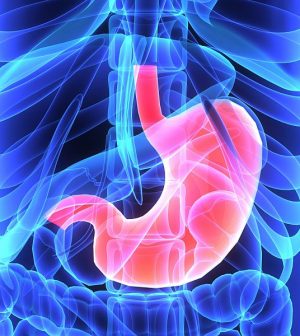
If you’ve ever wondered why emotional distress causes stomach cramps or a mad dash to the bathroom, know that there’s a direct line of communication that runs from your brain to your digestive tract.
It’s called the enteric nervous system, and it can have a powerful effect.
For instance, when you feel nervous or threatened, digestion can slow or stop so that your body can focus on functions with higher priority — and that might result in cramps or diarrhea. This is a hallmark of the condition called irritable bowel syndrome, or IBS.
The brain-gut connection works in both directions. For example, having a digestive condition can make you anxious or cause emotional distress. Plus, that anxiety can then worsen your digestive symptoms.
Researchers recently found a connection between depression and the absence of certain good gut bacteria — they can’t yet say which comes first, but it’s clear that there’s some type of relationship.
If your gut reacts negatively to emotions and it’s affecting your life, talk to your doctor. Find out if you have a digestive issue that’s causing physical as well as emotional stress, such as IBS, and take steps to treat it. These may involve changes to your diet and other lifestyle habits.
Know that the answer doesn’t always have to include drug therapy. To master anxiety regardless of its source, you can tap into relaxation techniques or psychological therapies, from progressive muscle relaxation, relaxation therapy, visualization and soothing music to cognitive behavioral therapy, hypnotherapy or even gut-directed relaxation training, a technique that pairs relaxation with thinking positive thoughts centered on your gut.
More information
The International Foundation for Gastrointestinal Disorders has more on relaxation techniques.
Source: HealthDay
Copyright © 2026 HealthDay. All rights reserved.
Related
-
 Navigating Your Midlife Crisis: Embracing New Possibilities
A midlife crisis can open doors to personal growth...
- December 4, 2025
-
 Want A Happier Hospital? Hire More Nurses, Study Says
Adding even a few extra nurses can dramatically reduce...
- November 20, 2025
-
 Plasma Treatment Shows Promise For Menopause Symptoms Among Breast Cancer Survivors
Plasma infusions may help breast cancer survivors avoid genital...
- November 20, 2025
-
 Self-Hypnosis Can Thwart Hot Flashes
Self-hypnosis might help some women in menopause find relief...
- November 14, 2025






