
- How Blue Light Impacts Your Sleep Quality
- Comparing Whey and Plant-Based Protein: Which is Best?
- How Long Does Nicotine Remain in Your System?
- The Best Time of Day to Drink Bone Broth to Maximize Health Benefits
- 8 Ways to Increase Dopamine Naturally
- 7 Best Breads for Maintaining Stable Blood Sugar
- Gelatin vs. Collagen: Which is Best for Skin, Nails, and Joints?
- The Long-Term Effects of Daily Turmeric Supplements on Liver Health
- Could Your Grocery Store Meat Be Causing Recurring UTIs?
- Are You Making This Expensive Thermostat Error This Winter?
How to Eliminate Added Sugars From Your Diet
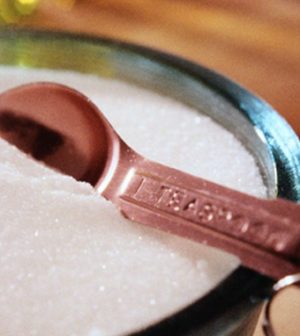
People are getting the message about the dangers of sugar. Nearly 70% of Americans have cut back on foods high in added sugars, according to a survey by the International Food Information Council Foundation. But there’s still a long way to go.
One of the key ways to reduce your sugar intake is by drinking plain water or low- and no-calorie beverages instead of soda and flavored waters. Pre-sweetened beverages represent half of all the added sugars we eat. Note that while 100% juices have only natural sugars, they don’t have the fiber found in the whole fruit and could cause blood sugar spikes, so you need to be judicious about your intake.
Top Sugary Drinks to Avoid
- Soft drinks, including soda
- Fruit-flavored drinks
- Sweetened coffee and teas
- Energy drinks
- Alcoholic beverages
- Flavored waters
It’s also important to know the various names sugar goes by. There are at least 61 forms of added sweeteners used in processed foods, according to the University of California, San Francisco’s SugarScience. They include various types of sugars, syrups and other ingredients ending in “ose.”
To uncover sources of sugar in your diet, read the ingredients label of every food you buy, including those you may not associate with sugar, like yogurt, protein bars, whole grain cereals and even some salty snacks. And just because a label says no “high-fructose corn syrup” doesn’t mean it’s free of all added sugars.
Find ways to satisfy your sweet tooth naturally, such as with fresh or no-added-sugar frozen fruits. And when cooking, you can safely reduce the sugar in recipes by a third. Also, experiment with sugar substitutes — some are formulated especially for baking.
More information
The University of California, San Francisco has a complete list of added sugars to help you better identify them when reading labels.
Source: HealthDay
Copyright © 2026 HealthDay. All rights reserved.
Related
-
 Navigating Your Midlife Crisis: Embracing New Possibilities
A midlife crisis can open doors to personal growth...
- December 4, 2025
-
 Want A Happier Hospital? Hire More Nurses, Study Says
Adding even a few extra nurses can dramatically reduce...
- November 20, 2025
-
 Plasma Treatment Shows Promise For Menopause Symptoms Among Breast Cancer Survivors
Plasma infusions may help breast cancer survivors avoid genital...
- November 20, 2025
-
 Self-Hypnosis Can Thwart Hot Flashes
Self-hypnosis might help some women in menopause find relief...
- November 14, 2025






