
- How Blue Light Impacts Your Sleep Quality
- Comparing Whey and Plant-Based Protein: Which is Best?
- How Long Does Nicotine Remain in Your System?
- The Best Time of Day to Drink Bone Broth to Maximize Health Benefits
- 8 Ways to Increase Dopamine Naturally
- 7 Best Breads for Maintaining Stable Blood Sugar
- Gelatin vs. Collagen: Which is Best for Skin, Nails, and Joints?
- The Long-Term Effects of Daily Turmeric Supplements on Liver Health
- Could Your Grocery Store Meat Be Causing Recurring UTIs?
- Are You Making This Expensive Thermostat Error This Winter?
Another Deadly Disease for Smokers: Pulmonary Fibrosis
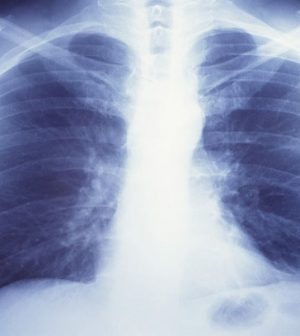
Current and former smokers are at risk for a lung disease called pulmonary fibrosis, but many aren’t aware of the threat, the Pulmonary Fibrosis Foundation says.
There is no cure for the disease, which affects more than 200,000 Americans.
A recent foundation survey found that more than 80% of smokers are unfamiliar with pulmonary fibrosis. This is a concerning statistic among a group disproportionately affected by the disease.
Both smokers and nonsmokers have little awareness of the disease, and nearly 9 out of 10 Americans don’t know its symptoms: shortness of breath, a dry, chronic cough and fatigue.
“Smokers are often aware that tobacco usage can lead to diseases such as lung cancer, COPD and emphysema, among others. However, as smokers experience chronic symptoms similar to those of PF, such as a dry, persistent cough, it is important they discuss PF with their doctors,” Dr. Amy Hajari Case said in a foundation news release. She’s senior medical adviser of education and awareness.
It’s never too late to stop smoking, the foundation emphasized. Quitting smoking can increase overall health and quality of life at any age by reducing loss of core lung function over time and increasing lung capacity, which is crucial to maintaining a healthy blood oxygen level. Giving up the tobacco habit may also reduce inflammation of the airway, which can take months or even years.
Smoking isn’t the only cause of pulmonary fibrosis. Other major risk factors include:
- Work exposure to inorganic dusts, including asbestos, silica, coal dust, beryllium and hard metal dusts.
- Environmental exposures such as breathing in mold spores, bacteria, animal proteins (especially from indoor or caged birds) or other triggers for an extended period. Doctors will listen for “squeaks” in the lung.
- Older age. Pulmonary fibrosis is more likely to occur in those 60 and older.
- Family history of interstitial lung disease.
More information
The American Lung Association has more on pulmonary fibrosis.
SOURCE: Pulmonary Fibrosis Foundation, news release, Jan. 26, 2021
Source: HealthDay
Copyright © 2026 HealthDay. All rights reserved.
Related
-
 Navigating Your Midlife Crisis: Embracing New Possibilities
A midlife crisis can open doors to personal growth...
- December 4, 2025
-
 Want A Happier Hospital? Hire More Nurses, Study Says
Adding even a few extra nurses can dramatically reduce...
- November 20, 2025
-
 Plasma Treatment Shows Promise For Menopause Symptoms Among Breast Cancer Survivors
Plasma infusions may help breast cancer survivors avoid genital...
- November 20, 2025
-
 Self-Hypnosis Can Thwart Hot Flashes
Self-hypnosis might help some women in menopause find relief...
- November 14, 2025






