
- How Blue Light Impacts Your Sleep Quality
- Comparing Whey and Plant-Based Protein: Which is Best?
- How Long Does Nicotine Remain in Your System?
- The Best Time of Day to Drink Bone Broth to Maximize Health Benefits
- 8 Ways to Increase Dopamine Naturally
- 7 Best Breads for Maintaining Stable Blood Sugar
- Gelatin vs. Collagen: Which is Best for Skin, Nails, and Joints?
- The Long-Term Effects of Daily Turmeric Supplements on Liver Health
- Could Your Grocery Store Meat Be Causing Recurring UTIs?
- Are You Making This Expensive Thermostat Error This Winter?
Most Young Americans Eager to Get COVID Vaccine: Poll
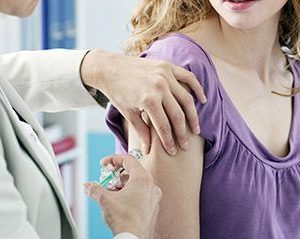
Many American teens and young adults are now embracing the chance to get COVID-19 vaccines, a new survey finds.
But youth-focused messaging will still be needed to convince a minority of those aged 14 to 24 that they should be vaccinated, the University of Michigan researchers said. Still, the good news is that more young people are ready to get their shots than said they were ready to do so last fall.
The first text-message-based MyVoice national survey in October 2020 found that 76% of the 911 teen and young adult respondents said they were willing to get vaccinated, but that included 33% who said their final decision depended on additional information. And 20% of the respondents said they weren’t willing to get vaccinated.
An analysis of a repeat survey in late March 2021 found that the percentage of those who had been vaccinated or were willing to get vaccinated rose to 84%.
Meanwhile, the percentage of those aged 14 to 24 who said they are not intending to get vaccinated fell to 15%, according to the report published online recently in the Journal of Adolescent Medicine.
“These data reassure us that most youth are willing to get vaccinated against COVID-19 if they feel the vaccine is safe and effective,” study author Dr. Eric Brandt said in a university news release. “But concerns about vaccine safety are still very much alive in this group.”
Currently, the Pfizer vaccine has emergency approval in the United States for people 16 and older, while the Moderna vaccine has been approved for people 18 and older.
Brandt noted that the latest survey was conducted before the U.S. Food and Drug Administration put use of the Johnson & Johnson/Janssen vaccine on pause due to a small number of cases of a rare blood clot condition.
Clot concerns have led some countries to pause their use of the AstraZeneca vaccine, which is not available in the United States.
The survey also found that 42% of teen and young adults would prefer to get their vaccine information from institutions such as the U.S. Centers for Disease Control and Prevention and the World Health Organization, and 32% would prefer getting vaccine information from a medical professional or health care organization.
Special efforts to get vaccine information to Black teens and young adults may be needed because of the disproportionate risk the virus poses to them and their families, the researchers noted.
More information
The U.S. Centers for Disease Control and Prevention has more on COVID-19 vaccines.
SOURCE: University of Michigan, news release, April 14, 2021
Source: HealthDay
Copyright © 2026 HealthDay. All rights reserved.
Related
-
 Navigating Your Midlife Crisis: Embracing New Possibilities
A midlife crisis can open doors to personal growth...
- December 4, 2025
-
 Want A Happier Hospital? Hire More Nurses, Study Says
Adding even a few extra nurses can dramatically reduce...
- November 20, 2025
-
 Plasma Treatment Shows Promise For Menopause Symptoms Among Breast Cancer Survivors
Plasma infusions may help breast cancer survivors avoid genital...
- November 20, 2025
-
 Self-Hypnosis Can Thwart Hot Flashes
Self-hypnosis might help some women in menopause find relief...
- November 14, 2025






