
- How Blue Light Impacts Your Sleep Quality
- Comparing Whey and Plant-Based Protein: Which is Best?
- How Long Does Nicotine Remain in Your System?
- The Best Time of Day to Drink Bone Broth to Maximize Health Benefits
- 8 Ways to Increase Dopamine Naturally
- 7 Best Breads for Maintaining Stable Blood Sugar
- Gelatin vs. Collagen: Which is Best for Skin, Nails, and Joints?
- The Long-Term Effects of Daily Turmeric Supplements on Liver Health
- Could Your Grocery Store Meat Be Causing Recurring UTIs?
- Are You Making This Expensive Thermostat Error This Winter?
WHO Calls for Global Registry of Human Genome Editing
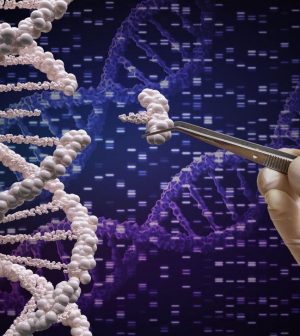
New recommendations on human genome editing issued by the World Health Organization include a call for a global registry to track “any form of genetic manipulation” and a whistle-blowing process for unethical or unsafe research.
The WHO first commissioned the expert advisory panel in late 2018, after a Chinese scientist said he had created the world’s first gene-edited babies, the Associated Press reported.
All studies involving human genome editing should be made public, even though it wouldn’t necessarily stop unprincipled scientists, the expert panel now advises.
“In the field of stem cell research, unscrupulous entrepreneurs and clinics have deliberately misused clinical trial registries by registering procedures they plan to undertake as if they were properly sanctioned clinical trials,” they noted.
They said the WHO must ensure that all genetic editing research registered in its database is reviewed and approved by an ethics committee, the AP reported.
Also, the United Nations’ health agency should have methods to identify any potentially concerning gene editing trials and to report “violations of research integrity.”
There have been several cases where backlash halted planned controversial gene editing experiments in Russia, Ukraine and Turkey, noted expert panel member Robin Lovell-Badge, of the Francis Crick Institute, the AP reported.
Still, although the WHO is now calling for stricter oversight of genome editing, there’s not a lot the agency can actually do, as gene-editing techniques become cheaper and easier.
The United Nations can’t compel any country to abide by its rules, even during a public health emergency, the WHO acknowledged.
More information
Find out more about CRISPR gene editing technology at the U.S. National Library of Medicine.
SOURCE: Associated Press
Source: HealthDay
Copyright © 2026 HealthDay. All rights reserved.
Related
-
 Navigating Your Midlife Crisis: Embracing New Possibilities
A midlife crisis can open doors to personal growth...
- December 4, 2025
-
 Want A Happier Hospital? Hire More Nurses, Study Says
Adding even a few extra nurses can dramatically reduce...
- November 20, 2025
-
 Plasma Treatment Shows Promise For Menopause Symptoms Among Breast Cancer Survivors
Plasma infusions may help breast cancer survivors avoid genital...
- November 20, 2025
-
 Self-Hypnosis Can Thwart Hot Flashes
Self-hypnosis might help some women in menopause find relief...
- November 14, 2025






