
- How Blue Light Impacts Your Sleep Quality
- Comparing Whey and Plant-Based Protein: Which is Best?
- How Long Does Nicotine Remain in Your System?
- The Best Time of Day to Drink Bone Broth to Maximize Health Benefits
- 8 Ways to Increase Dopamine Naturally
- 7 Best Breads for Maintaining Stable Blood Sugar
- Gelatin vs. Collagen: Which is Best for Skin, Nails, and Joints?
- The Long-Term Effects of Daily Turmeric Supplements on Liver Health
- Could Your Grocery Store Meat Be Causing Recurring UTIs?
- Are You Making This Expensive Thermostat Error This Winter?
Sex of Fetus May Matter When COVID Strikes in Pregnancy
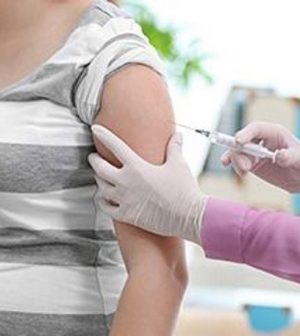
When a pregnant woman is infected with COVID-19, the sex of the fetus may influence immune system activity, researchers say.
The new study included 68 mothers-to-be. Thirty-eight developed COVID-19 during their third trimester, while 30 remained virus-free. In both groups, half of the fetuses were male and half were female.
In the infected women, male placentas had significantly higher levels of certain genes and proteins associated with increased immune activity compared to female placentas, the investigators found.
While this increased immune activity may provide male fetuses with better protection against coronavirus infection, the resulting inflammation could pose risks to the fetus while in the womb and to the child after birth, explained study senior author Dr. Andrea Edlow. She’s a maternal-fetal medicine specialist at Massachusetts General Hospital in Boston.
The researchers also found that infected pregnant women transferred significantly less immunity against the virus to male fetuses than to female fetuses, which could affect an infant’s risk of being infected with SARS-CoV-2.
“The sex of the fetus influenced both the mom’s ability to generate antibodies to COVID-19 and to transfer them to her baby,” Edlow said in a hospital news release.
This study was prompted by previous research showing that male adults, children and infants have a higher rate of coronavirus infection and develop more severe disease than females, the researchers noted.
The next step is to examine antibodies induced by the COVID-19 vaccine and see how those are affected by the timing of the vaccine as well as fetal sex.
“We want to know what happens to the placenta when moms are vaccinated against COVID-19 in each of the three trimesters and how fetal sex affects that response,” Edlow said.
The study was published Oct. 19 in the journal Science Translational Medicine.
More information
The U.S. Centers for Disease Control and Prevention has more on COVID-19 and pregnancy.
SOURCE: Massachusetts General Hospital, news release, Oct. 19, 2021
Source: HealthDay
Copyright © 2026 HealthDay. All rights reserved.
Related
-
 Navigating Your Midlife Crisis: Embracing New Possibilities
A midlife crisis can open doors to personal growth...
- December 4, 2025
-
 Want A Happier Hospital? Hire More Nurses, Study Says
Adding even a few extra nurses can dramatically reduce...
- November 20, 2025
-
 Plasma Treatment Shows Promise For Menopause Symptoms Among Breast Cancer Survivors
Plasma infusions may help breast cancer survivors avoid genital...
- November 20, 2025
-
 Self-Hypnosis Can Thwart Hot Flashes
Self-hypnosis might help some women in menopause find relief...
- November 14, 2025






