
- How Blue Light Impacts Your Sleep Quality
- Comparing Whey and Plant-Based Protein: Which is Best?
- How Long Does Nicotine Remain in Your System?
- The Best Time of Day to Drink Bone Broth to Maximize Health Benefits
- 8 Ways to Increase Dopamine Naturally
- 7 Best Breads for Maintaining Stable Blood Sugar
- Gelatin vs. Collagen: Which is Best for Skin, Nails, and Joints?
- The Long-Term Effects of Daily Turmeric Supplements on Liver Health
- Could Your Grocery Store Meat Be Causing Recurring UTIs?
- Are You Making This Expensive Thermostat Error This Winter?
Low-Dose Aspirin Won’t Affect Dementia Risk in People With Diabetes
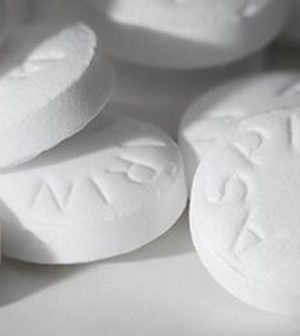
Low-dose aspirin neither reduces nor increases the risk of dementia in adults with type 2 diabetes, a new study finds.
“This is reassuring that an increase in the risk of dementia is unlikely for the millions of people worldwide who regularly take aspirin to protect against the risk of heart attack and stroke,” according to study author Jane Armitage, of the University of Oxford in England.
“The results mean a modest benefit of daily low-dose aspirin on risk of dementia is possible. However, we need studies with more people developing dementia to be sure,” added Armitage, a professor of clinical trials and epidemiology.
The study, which was presented Monday at the American Heart Association’s virtual annual meeting, included more than 15,000 participants in the United Kingdom who had type 2 diabetes. They had no history of dementia, heart attack or stroke at the start of the study.
Half took one 100-milligram aspirin, and half took an identical placebo pill daily. They were followed for nearly nine years, with an average of about seven years of treatment and almost two additional years of follow-up.
During that time, more than 1,100 participants developed broad dementia, which includes dementia, cognitive impairment or delirium or confusion, according to the study.
“The results show no clear effect of daily low-dose aspirin on the risk of dementia, with a non-significant 9% proportional reduction in risk. However, the uncertainty around this 9% benefit ranged from a 19% reduction in dementia risk to a 2% increase,” Armitage said in a heart association news release.
The study authors did find that serious vascular events, such as a heart attack or major bleeding episodes like a stroke, were associated with dementia. Participants who had a major vascular event were nearly 2.5 times more likely to develop dementia, memory loss, confusion or mental decline as those who did not have a major vascular event.
Participants who had a major bleed were twice as likely to develop dementia, memory loss, confusion or mental decline as those who did not have a bleed.
“The overall effect of aspirin on dementia and cognitive impairment was uncertain,” Armitage said. “Aspirin may be protective for dementia by preventing some strokes due to blockages, or it may increase the risk because of bleeding into the brain.”
The researchers plan to follow the study participants for several more years.
Studies presented at meetings are usually considered preliminary until published in a peer-reviewed medical journal.
More information
The U.S. National Library of Medicine has more on aspirin and heart disease.
SOURCE: American Heart Association, news release, Nov. 15, 2021
Source: HealthDay
Copyright © 2026 HealthDay. All rights reserved.
Related
-
 Navigating Your Midlife Crisis: Embracing New Possibilities
A midlife crisis can open doors to personal growth...
- December 4, 2025
-
 Want A Happier Hospital? Hire More Nurses, Study Says
Adding even a few extra nurses can dramatically reduce...
- November 20, 2025
-
 Plasma Treatment Shows Promise For Menopause Symptoms Among Breast Cancer Survivors
Plasma infusions may help breast cancer survivors avoid genital...
- November 20, 2025
-
 Self-Hypnosis Can Thwart Hot Flashes
Self-hypnosis might help some women in menopause find relief...
- November 14, 2025






