
- How Blue Light Impacts Your Sleep Quality
- Comparing Whey and Plant-Based Protein: Which is Best?
- How Long Does Nicotine Remain in Your System?
- The Best Time of Day to Drink Bone Broth to Maximize Health Benefits
- 8 Ways to Increase Dopamine Naturally
- 7 Best Breads for Maintaining Stable Blood Sugar
- Gelatin vs. Collagen: Which is Best for Skin, Nails, and Joints?
- The Long-Term Effects of Daily Turmeric Supplements on Liver Health
- Could Your Grocery Store Meat Be Causing Recurring UTIs?
- Are You Making This Expensive Thermostat Error This Winter?
As Climate Change Worsens Allergy Season, Tips on How to Cope
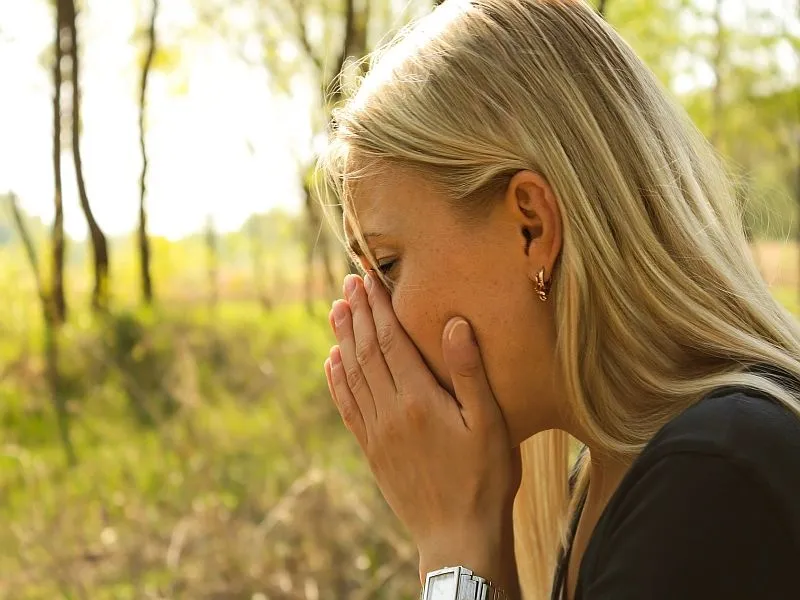
Climate change is prompting longer pollen seasons and higher pollen counts, which spells trouble for people with seasonal allergies, allergists warn.
“Allergy seasons have been changing in North America and across the globe, and we see greater changes the further you get from the equator,” explained Dr. Kara Wada, an allergist immunologist at Ohio State’s Wexner Medical Center. “In the U.S., the time between our thaw and our freeze is much longer, so plants have longer to reproduce and produce more pollen.”
Along with more severe and longer-lasting symptoms for allergy sufferers, longer pollen seasons have led to an increase in the number of people diagnosed with seasonal allergies for the first time.
There were 19.2 million American adults diagnosed with seasonal allergies in 2018, according to the U.S. Centers for Disease Control and Prevention. But seasonal allergies affect up to 60 million people in the United States and are the sixth leading cause of chronic illness.
Seasonal allergy sufferers first need to identify their allergens and then take steps to avoid them, Wada said.
- Monitor pollen levels and avoid spending time outdoors when pollen counts are high.
- Keep windows closed in the car and at home.
- Use high-efficiency filters in your heating and cooling system, and change them regularly.
- If you do go outside, change your clothes and bathe when you return home, to remove pollen from your skin and hair.
- If possible, begin taking antihistamines recommended by your doctor a few weeks before spring allergy season begins.
- Consider immunotherapy, which can desensitize the immune system to allergens. Once immunotherapy is complete, patients may need little to no allergy medication.
“There are incredibly helpful, really effective treatments and an allergist immunologist can help you figure out the perfect combination to help treat your symptoms and get you feeling better,” Wada said in a university news release.
“If allergies go untreated, not only are your symptoms going to worsen with stuffy nose, sneezing, but that also can sometimes progress into sinus infections, and recurrent sinus infections can sometimes require surgery,” Wada added.
More information
There’s more on seasonal allergies at the U.S. National Institutes of Health.
SOURCE: Ohio State University, news release, March 17, 2022
Source: HealthDay
Copyright © 2026 HealthDay. All rights reserved.
Related
-
 Navigating Your Midlife Crisis: Embracing New Possibilities
A midlife crisis can open doors to personal growth...
- December 4, 2025
-
 Want A Happier Hospital? Hire More Nurses, Study Says
Adding even a few extra nurses can dramatically reduce...
- November 20, 2025
-
 Plasma Treatment Shows Promise For Menopause Symptoms Among Breast Cancer Survivors
Plasma infusions may help breast cancer survivors avoid genital...
- November 20, 2025
-
 Self-Hypnosis Can Thwart Hot Flashes
Self-hypnosis might help some women in menopause find relief...
- November 14, 2025






