
- How Blue Light Impacts Your Sleep Quality
- Comparing Whey and Plant-Based Protein: Which is Best?
- How Long Does Nicotine Remain in Your System?
- The Best Time of Day to Drink Bone Broth to Maximize Health Benefits
- 8 Ways to Increase Dopamine Naturally
- 7 Best Breads for Maintaining Stable Blood Sugar
- Gelatin vs. Collagen: Which is Best for Skin, Nails, and Joints?
- The Long-Term Effects of Daily Turmeric Supplements on Liver Health
- Could Your Grocery Store Meat Be Causing Recurring UTIs?
- Are You Making This Expensive Thermostat Error This Winter?
Protect Your Hearing This July 4th
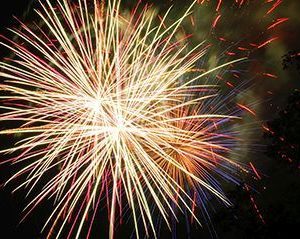
(HealthDay News) – While fireworks may be bright and beautiful, they’re also noisy.
And a single loud blast or explosion that lasts less than a second can cause immediate and permanent hearing loss, the American Speech-Language-Hearing Association (ASHA) warns.
“The Fourth of July, perhaps more than any other holiday, is associated with loud noise,” said Janice Trent, vice president for audiology practice for ASHA’s Board of Directors. “Some people may opt for quieter celebrations —but for those that don’t, we encourage them to use basic hearing protection in the form of earplugs.”
Noise-induced hearing loss is completely preventable, ASHA noted as it offered a series of tips for enjoying the holiday safely.
Wearing hearing protection is a must, it said. Earplugs are inexpensive, easy to find and use, and do a great job of keeping ears safe, Trent said. For young children, she recommended well-fitting earmuffs. Both earplugs and earmuffs are available in stores and online.
Noise-induced hearing loss is irreversible and can happen at any age, she pointed out.
Besides wearing hearing protection, keep your distance from noise sources, such as at a fireworks launch site. The closer you are, ASHA emphasized, the more likely you are to hurt your ears.
Impulse noise greater than 140 dBP, or decibel peak pressure, will instantly damage hearing. At 3 feet, fireworks and firecrackers can measure 150 dBP. Safe listening levels are between 75 to 80 decibels.
Leave if you have ringing in your ears or any other ear discomfort, Trent advised.
If you have pain, ringing or difficulty hearing after loud events, contact an audiologist for a hearing evaluation, she added.
More information
The National Institute on Aging has more on hearing loss.
SOURCE: American Speech-Language-Hearing Association, news release, June 27, 2022
Source: HealthDay
Copyright © 2026 HealthDay. All rights reserved.
Related
-
 Navigating Your Midlife Crisis: Embracing New Possibilities
A midlife crisis can open doors to personal growth...
- December 4, 2025
-
 Want A Happier Hospital? Hire More Nurses, Study Says
Adding even a few extra nurses can dramatically reduce...
- November 20, 2025
-
 Plasma Treatment Shows Promise For Menopause Symptoms Among Breast Cancer Survivors
Plasma infusions may help breast cancer survivors avoid genital...
- November 20, 2025
-
 Self-Hypnosis Can Thwart Hot Flashes
Self-hypnosis might help some women in menopause find relief...
- November 14, 2025






