- How Blue Light Impacts Your Sleep Quality
- Comparing Whey and Plant-Based Protein: Which is Best?
- How Long Does Nicotine Remain in Your System?
- The Best Time of Day to Drink Bone Broth to Maximize Health Benefits
- 8 Ways to Increase Dopamine Naturally
- 7 Best Breads for Maintaining Stable Blood Sugar
- Gelatin vs. Collagen: Which is Best for Skin, Nails, and Joints?
- The Long-Term Effects of Daily Turmeric Supplements on Liver Health
- Could Your Grocery Store Meat Be Causing Recurring UTIs?
- Are You Making This Expensive Thermostat Error This Winter?
Diet Drinks May Not Affect Urinary Function in Women
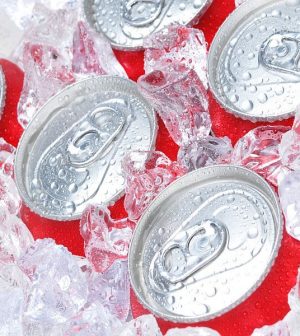
If you struggle with urinary incontinence and worry that diet drinks may make matters worse, new research suggests they may not have a significant effect.
“This study is important in that it may guide clinicians counseling women with urinary incontinence to focus more on behavioral modifications, such as total volume intake, rather than on the type of beverage consumed,” said Dr. Stephanie Faubion, medical director for the North American Menopause Society (NAMS).
“Further, given the multiple potential adverse health effects associated with consuming sugar-containing beverages, counseling should be directed away from avoidance of artificially sweetened beverages,” Faubion added in a NAMS news release.
Past research on rat models had found that artificial sweeteners enhanced contraction of the detrusor muscle, which pushes urine out of the bladder, according to the U.S. National Institutes of Health.
Despite anecdotal evidence that several foods and drinks have adverse effects on the bladder and lower urinary tract, few have confirmed a link between urinary incontinence and artificial sweeteners.
The new study is based on an analysis of data from the Women’s Health Initiative study and included more than 80,000 women.
It aimed both to examine a potential association between artificially sweetened beverages and urinary incontinence symptoms and to identify whether stress or urge incontinence was most associated.
Urinary incontinence is the loss of bladder control and the unintentional leaking of urine. Stress incontinence is leaking when sneezing, laughing or exercising. Urge incontinence is a sudden need to urinate, according to the U.S. National Institute on Aging.
An embarrassing condition, it’s also associated with other health issues, such as thinking impairments, functional decline, falls, fractures, stroke, depression and an overall poorer quality of life.
Nearly 20% of women over 50 struggle with urinary incontinence, and a host of factors can trigger the condition.
The findings were published online Dec. 13 in the NAMS journal Menopause. The study was supported by the U.S. National Heart, Lung, and Blood Institute.
More information
The U.S. National Institute on Aging has more on urinary incontinence in older adults.
SOURCE: North American Menopause Society, news release, Dec. 14, 2022
Source: HealthDay
Copyright © 2026 HealthDay. All rights reserved.
Related
-
 Navigating Your Midlife Crisis: Embracing New Possibilities
A midlife crisis can open doors to personal growth...
- December 4, 2025
-
 Want A Happier Hospital? Hire More Nurses, Study Says
Adding even a few extra nurses can dramatically reduce...
- November 20, 2025
-
 Plasma Treatment Shows Promise For Menopause Symptoms Among Breast Cancer Survivors
Plasma infusions may help breast cancer survivors avoid genital...
- November 20, 2025
-
 Self-Hypnosis Can Thwart Hot Flashes
Self-hypnosis might help some women in menopause find relief...
- November 14, 2025