
- How Blue Light Impacts Your Sleep Quality
- Comparing Whey and Plant-Based Protein: Which is Best?
- How Long Does Nicotine Remain in Your System?
- The Best Time of Day to Drink Bone Broth to Maximize Health Benefits
- 8 Ways to Increase Dopamine Naturally
- 7 Best Breads for Maintaining Stable Blood Sugar
- Gelatin vs. Collagen: Which is Best for Skin, Nails, and Joints?
- The Long-Term Effects of Daily Turmeric Supplements on Liver Health
- Could Your Grocery Store Meat Be Causing Recurring UTIs?
- Are You Making This Expensive Thermostat Error This Winter?
Gut Microbiome May Play Role in Irritable Bowel Syndrome
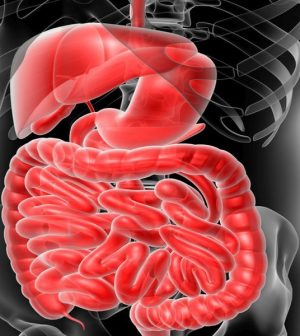
Researchers believe they have found a link between lower bacterial diversity in the intestine’s microbiome and irritable bowel syndrome (IBS).
Normally, “more than 10,000 species of microorganism live in the human intestine,” noted study co-author Dr. Jung Ok Shim, a professor of pediatric gastroenterology, hepatology, and nutrition at Korea University College of Medicine in Seoul.
To study this, the investigators combined their own dataset with nine other published datasets, involving a total of 576 IBS patients and 487 healthy “control” patients.
What did they find? The gut bacteria was less diverse in IBS patients than in healthy people, Shim said.
The level of abundance of 21 specific bacterial species also differed between IBS patients and healthy controls, though the findings were not statistically significant, the study authors noted.
The findings were published online Jan. 18 in Microbiology Spectrum, a journal of the American Society for Microbiology.
The study proved this disturbed gut bacterial community “is associated with IBS, though this does not mean that the relationship is causal,” Shim said in a society news release. “Functional studies are needed to prove whether the change in gut microorganisms contributes to development of IBS.”
IBS is a common affliction, causing bloating, diarrhea, stomach pain and cramps. Its cause is unknown, and there is no effective treatment.
“Based on the epidemiological studies of IBS patients, altered gut microbiota was proposed as one of the possible causes of IBS,” the researchers wrote. “Acute bacterial gastroenteritis can cause chronic, asymptomatic, low-grade intestinal wall inflammation sufficient to alter neuromuscular and epithelial cell function.”
More information
The U.S. National Library of Medicine has more on irritable bowel syndrome.
SOURCE: American Society for Microbiology, news release, Jan. 19, 2023
Source: HealthDay
Copyright © 2026 HealthDay. All rights reserved.
Related
-
 Navigating Your Midlife Crisis: Embracing New Possibilities
A midlife crisis can open doors to personal growth...
- December 4, 2025
-
 Want A Happier Hospital? Hire More Nurses, Study Says
Adding even a few extra nurses can dramatically reduce...
- November 20, 2025
-
 Plasma Treatment Shows Promise For Menopause Symptoms Among Breast Cancer Survivors
Plasma infusions may help breast cancer survivors avoid genital...
- November 20, 2025
-
 Self-Hypnosis Can Thwart Hot Flashes
Self-hypnosis might help some women in menopause find relief...
- November 14, 2025






