
- How Blue Light Impacts Your Sleep Quality
- Comparing Whey and Plant-Based Protein: Which is Best?
- How Long Does Nicotine Remain in Your System?
- The Best Time of Day to Drink Bone Broth to Maximize Health Benefits
- 8 Ways to Increase Dopamine Naturally
- 7 Best Breads for Maintaining Stable Blood Sugar
- Gelatin vs. Collagen: Which is Best for Skin, Nails, and Joints?
- The Long-Term Effects of Daily Turmeric Supplements on Liver Health
- Could Your Grocery Store Meat Be Causing Recurring UTIs?
- Are You Making This Expensive Thermostat Error This Winter?
Got a Mold Allergy? Here’s How to Tell
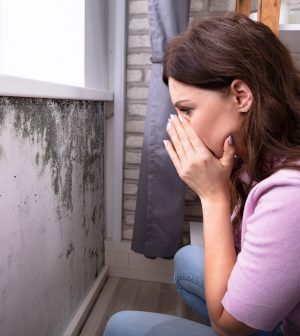
About 1,000 species of mold exist and — as allergy sufferers likely know — they’re everywhere.
Even if you have a mold allergy, it’s possible to make life a little easier, through avoidance, medications and reducing the mold around you, according to a blog from Ochsner Health, a Louisiana-based health system.
A type of fungus, mold produces microscopic spores. Mold spores are constantly floating in the air, which is how they trigger allergic symptoms.
Mold is linked to both allergic rhinitis and asthma, year-round.
It can be found outdoors on rotting logs, in compost piles and on grasses. It grows on plants killed by the cold.
Indoors, it can grow in damp areas like the bathroom, kitchen or attic.
The best way to find out if what’s bothering you is a mold allergy is to see an allergist, experts at Ochsner Health suggest.
Sometimes mold allergy symptoms can be confused with a cold, sinus infection or other respiratory allergy. Symptoms include itching in the nose, eyes or throat; sneezing; stuffy or runny nose; cough; mucus in the throat; and asthma symptoms, such as cough, wheeze, shortness of breath and/or chest tightness.
If you feel better when avoiding mold, that may be an indication you have a mold allergy.
To make a diagnosis, an allergist will consider your complete medical history, do a physical and possibly a skin or blood test.
To fight mold, keep indoor humidity below 60%, ideally at 30% to 50%, according to the U.S. Environmental Protection Agency. Use a dehumidifier if needed.
Promptly fix leaky roofs, windows and pipes, the U.S. Centers for Disease Control and Prevention recommends. Thoroughly clean and dry wet areas after flooding. Ventilate shower, laundry and cooking areas.
Treatment options include over-the-counter antihistamines and nasal corticosteroid sprays. Using a saline kit to rinse your nose can be helpful, because it flushes irritants from breathing passages. Your doctor may also recommend allergy shots.
More information
The American College of Asthma, Allergy and Immunology has more on mold allergy.
SOURCE: Ochsner Health Blog, news release, March 7, 2023
Source: HealthDay
Copyright © 2026 HealthDay. All rights reserved.
Related
-
 Navigating Your Midlife Crisis: Embracing New Possibilities
A midlife crisis can open doors to personal growth...
- December 4, 2025
-
 Want A Happier Hospital? Hire More Nurses, Study Says
Adding even a few extra nurses can dramatically reduce...
- November 20, 2025
-
 Plasma Treatment Shows Promise For Menopause Symptoms Among Breast Cancer Survivors
Plasma infusions may help breast cancer survivors avoid genital...
- November 20, 2025
-
 Self-Hypnosis Can Thwart Hot Flashes
Self-hypnosis might help some women in menopause find relief...
- November 14, 2025






