
- How Blue Light Impacts Your Sleep Quality
- Comparing Whey and Plant-Based Protein: Which is Best?
- How Long Does Nicotine Remain in Your System?
- The Best Time of Day to Drink Bone Broth to Maximize Health Benefits
- 8 Ways to Increase Dopamine Naturally
- 7 Best Breads for Maintaining Stable Blood Sugar
- Gelatin vs. Collagen: Which is Best for Skin, Nails, and Joints?
- The Long-Term Effects of Daily Turmeric Supplements on Liver Health
- Could Your Grocery Store Meat Be Causing Recurring UTIs?
- Are You Making This Expensive Thermostat Error This Winter?
Rural Americans Are Going Without Meds to Fight Opioid, Alcohol Addictions
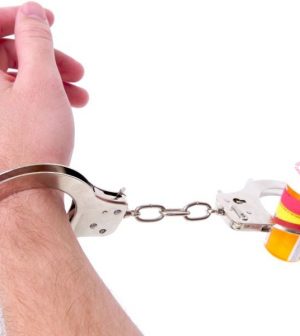
Less than 9% of rural Americans who abuse both opioids and alcohol are prescribed medications to treat both disorders, new research reveals.
Naltrexone treats both opioid use disorder and alcohol use disorder. Other drugs such as buprenorphine, acamprosate or disulfiram treat one or the other.
And researchers who reviewed medical records of close to 1,900 adults who visited a rural primary care provider between October 2019 and January 2021 found that most with a dual diagnosis were being treated for only one disorder, not both.
The new study findings “call for a better understanding of these gaps as well as additional support for rural clinicians in providing pharmacological treatment,” wrote the team headed by Emily Kan of the University of California, Los Angeles.
In all, 85.3% of patients with a dual disorder were prescribed a medication for only one condition, compared to patients struggling with opioid use only (63.7%) or those battling alcohol issues only (10.3%), the study found.
Those with a dual diagnosis spent the most time on medication — about 265 days — compared to those with opioid disorder alone (220.5 days) or alcohol disorder alone (62.5 days).
Overall, 54.2% of the patients had opioid use disorder only; 37.9% alcohol use disorder only; and 7.9% had both.
“The low rates of naltrexone prescription are concerning given the current evidence of the effectiveness of extended release-naltrexone in treating both disorders,” the researchers wrote.
They said primary care practices in rural areas need help assessing and treating the disorders and also with providing telemedicine to deliver care remotely.
The findings were recently published in the Journal of Substance Use and Addiction Treatment.
More information
The U.S. Department of Health and Human Services has more more about treating drug and alcohol abuse.
SOURCE: American Psychiatric Association, news release, March 22, 2024
Source: HealthDay
Copyright © 2026 HealthDay. All rights reserved.
Related
-
 Navigating Your Midlife Crisis: Embracing New Possibilities
A midlife crisis can open doors to personal growth...
- December 4, 2025
-
 Want A Happier Hospital? Hire More Nurses, Study Says
Adding even a few extra nurses can dramatically reduce...
- November 20, 2025
-
 Plasma Treatment Shows Promise For Menopause Symptoms Among Breast Cancer Survivors
Plasma infusions may help breast cancer survivors avoid genital...
- November 20, 2025
-
 Self-Hypnosis Can Thwart Hot Flashes
Self-hypnosis might help some women in menopause find relief...
- November 14, 2025






