
- How Blue Light Impacts Your Sleep Quality
- Comparing Whey and Plant-Based Protein: Which is Best?
- How Long Does Nicotine Remain in Your System?
- The Best Time of Day to Drink Bone Broth to Maximize Health Benefits
- 8 Ways to Increase Dopamine Naturally
- 7 Best Breads for Maintaining Stable Blood Sugar
- Gelatin vs. Collagen: Which is Best for Skin, Nails, and Joints?
- The Long-Term Effects of Daily Turmeric Supplements on Liver Health
- Could Your Grocery Store Meat Be Causing Recurring UTIs?
- Are You Making This Expensive Thermostat Error This Winter?
New Smart Insoles May Help Spot Early Signs of Dementia and More
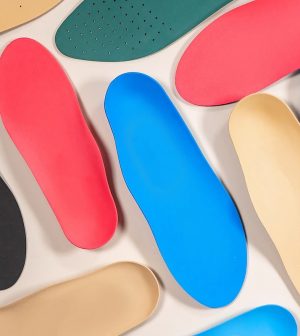
Imagine if your shoes could tell you when something’s wrong with your health.
A new “smart insole” system might make that possible, helping spot early signs of dementia, orthopedic injuries and other health problems, a recent study shows.
The technology, described in the journal Science Advances, uses pressure-sensing insoles powered by solar cells, according to a report in The Washington Post.
Each insole contains 22 sensors that turn pressure from a person’s walk into electrical signals.
These signals are sent to a smartphone app that reveals how pressure is distributed across the feet and tracks how the person moves.
The app can also use machine learning to recognize eight different types of motion, such as sitting, standing or running, The Post reported.
This could help patients and athletes correct their posture, recover from injuries and track progress in health programs, the researchers said.
“Our bodies carry lots of useful information that we’re not even aware of,” co-author Jinghua Li said in a news release.
“These statuses also change over time,” added Li, an assistant professor of materials science and engineering at Ohio State University. “So it’s our goal to use electronics to extract and decode those signals to encourage better self health care checks.”
Earlier research has shown that changes in gait can signal conditions like Parkinson’s disease, which often causes people to shuffle or lean while walking.
The team said that better sensors could make studying gait a more powerful tool for early diagnosis.
More information
SOURCE: The Washington Post, April 27, 2025
Source: HealthDay
Copyright © 2026 HealthDay. All rights reserved.
Related
-
 Navigating Your Midlife Crisis: Embracing New Possibilities
A midlife crisis can open doors to personal growth...
- December 4, 2025
-
 Want A Happier Hospital? Hire More Nurses, Study Says
Adding even a few extra nurses can dramatically reduce...
- November 20, 2025
-
 Plasma Treatment Shows Promise For Menopause Symptoms Among Breast Cancer Survivors
Plasma infusions may help breast cancer survivors avoid genital...
- November 20, 2025
-
 Self-Hypnosis Can Thwart Hot Flashes
Self-hypnosis might help some women in menopause find relief...
- November 14, 2025






