
- How Blue Light Impacts Your Sleep Quality
- Comparing Whey and Plant-Based Protein: Which is Best?
- How Long Does Nicotine Remain in Your System?
- The Best Time of Day to Drink Bone Broth to Maximize Health Benefits
- 8 Ways to Increase Dopamine Naturally
- 7 Best Breads for Maintaining Stable Blood Sugar
- Gelatin vs. Collagen: Which is Best for Skin, Nails, and Joints?
- The Long-Term Effects of Daily Turmeric Supplements on Liver Health
- Could Your Grocery Store Meat Be Causing Recurring UTIs?
- Are You Making This Expensive Thermostat Error This Winter?
Cholera Outbreak in Darfur Kills 40 in One Week, Officials Say
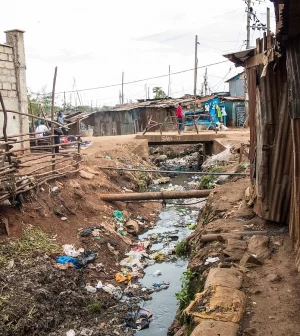
A fast-moving cholera outbreak in Sudan’s Darfur region has killed 40 people and sickened more than 2,300 in the past week alone, according to Doctors Without Borders.
The medical aid group, also known as Médecins San Frontières or MSF, says this is the worst outbreak the country has seen in years, The Associated Press said.
As of Monday, nearly 99,700 suspected cholera cases and more than 2,470 related deaths have been reported across Sudan since the outbreak began in July 2024. MSF warns that the situation is worsening due to water shortages, poor sanitation and a collapsed health system amid the ongoing war.
The conflict, which began in April 2023 in the capital city of Khartoum, has spread nationwide. Fighting between the Sudanese military and the rival Rapid Support Forces (RSF) has killed more than 40,000 people, displaced 12 million, and caused disease outbreaks and famine.
Cholera is caused by eating or drinking food or water contaminated with the bacterium Vibrio cholerae.
The World Health Organization (WHO) describes it a “disease of poverty,” because it thrives in areas with unsafe water and poor sanitation.
In North Darfur’s Tawila town, 380,000 people have fled to escape fighting around El Fasher, the United Nations reports. Many are now forced to drink from dirty community wells. Heavy rains have damaged sewage systems, leaving behind stagnant, contaminated water, The AP said.
“Overcrowding of the camps and the catastrophic hygiene condition are key factors,” Sylvain Penicaud, MSF’s project coordinator in Tawila, said.
Earlier this month, Tawila Hospital — built to treat 130 patients — was overwhelmed with 400 cholera cases, forcing many to be treated on the floor, according to The AP.
MSF plans to launch a vaccination campaign in Tawila as soon as it receives 400,000 doses of cholera vaccine, in partnership with WHO.
While cholera is easily treatable with oral rehydration solutions and antibiotics, it can kill within hours if it left untreated.
More information
The Mayo Clinic has more on cholera.
SOURCE: The Associated Press, Aug. 14, 2025
Source: HealthDay
Copyright © 2026 HealthDay. All rights reserved.
Related
-
 Navigating Your Midlife Crisis: Embracing New Possibilities
A midlife crisis can open doors to personal growth...
- December 4, 2025
-
 Want A Happier Hospital? Hire More Nurses, Study Says
Adding even a few extra nurses can dramatically reduce...
- November 20, 2025
-
 Plasma Treatment Shows Promise For Menopause Symptoms Among Breast Cancer Survivors
Plasma infusions may help breast cancer survivors avoid genital...
- November 20, 2025
-
 Self-Hypnosis Can Thwart Hot Flashes
Self-hypnosis might help some women in menopause find relief...
- November 14, 2025






