
- How Blue Light Impacts Your Sleep Quality
- Comparing Whey and Plant-Based Protein: Which is Best?
- How Long Does Nicotine Remain in Your System?
- The Best Time of Day to Drink Bone Broth to Maximize Health Benefits
- 8 Ways to Increase Dopamine Naturally
- 7 Best Breads for Maintaining Stable Blood Sugar
- Gelatin vs. Collagen: Which is Best for Skin, Nails, and Joints?
- The Long-Term Effects of Daily Turmeric Supplements on Liver Health
- Could Your Grocery Store Meat Be Causing Recurring UTIs?
- Are You Making This Expensive Thermostat Error This Winter?
FDA Approves Subcutaneous Leqembi for Treatment of Early Alzheimer Disease
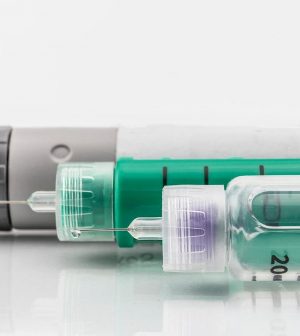
The U.S. Food and Drug Administration has approved Leqembi Iqlik, a subcutaneous version of lecanemab, for weekly maintenance after the 18-month intravenous (IV) phase.
Leqembi Iqlik is a subcutaneous autoinjector that delivers treatment in about 15 seconds for U.S. patients with Alzheimer disease at the mild cognitive impairment or mild dementia stage. After completing 18 months of IV dosing, patients may either continue monthly IV infusions or switch to the new weekly 360-mg subcutaneous injection. This advancement is meant to allow faster, simpler dosing and supports future combination therapy approaches.
“This shift to subcutaneous maintenance dosing is a crucial step toward making Leqembi more accessible for patients, similar to how diabetes and GLP-1 medications are delivered, and represents the first step towards the day when patients can bypass infusions altogether,” Howard Fillit, M.D., cofounder and chief science officer at the Alzheimer’s Drug Discovery Foundation, said in a statement.
He added: “This milestone lessens the burden on patients and caregivers by reducing the logistical challenges of receiving Alzheimer’s treatment, while also bringing us closer to the day when patients can more easily receive a combination of drugs, potentially administered from home.”
FDA approval was supported by phase 3 Clarity AD extension trial data, showing that switching to the weekly Leqembi Iqlik autoinjector after 18 months of IV dosing maintains clinical and biomarker benefits comparable to ongoing IV treatment in early Alzheimer disease.
Subcutaneous Leqembi showed a safety profile similar to IV dosing, but with a major advantage: Systemic reactions occurred in less than 1 percent of patients versus about 26 percent with IV infusions. Amyloid-related imaging abnormality rates with the weekly 360-mg subcutaneous dose were comparable to those seen with continued IV dosing after 18 months and were similar to background rates seen in untreated patients.
Approval of Leqembi Iqlik was granted to Eisai and Biogen.
Source: HealthDay
Copyright © 2026 HealthDay. All rights reserved.
Related
-
 Navigating Your Midlife Crisis: Embracing New Possibilities
A midlife crisis can open doors to personal growth...
- December 4, 2025
-
 Want A Happier Hospital? Hire More Nurses, Study Says
Adding even a few extra nurses can dramatically reduce...
- November 20, 2025
-
 Plasma Treatment Shows Promise For Menopause Symptoms Among Breast Cancer Survivors
Plasma infusions may help breast cancer survivors avoid genital...
- November 20, 2025
-
 Self-Hypnosis Can Thwart Hot Flashes
Self-hypnosis might help some women in menopause find relief...
- November 14, 2025






