
- How Blue Light Impacts Your Sleep Quality
- Comparing Whey and Plant-Based Protein: Which is Best?
- How Long Does Nicotine Remain in Your System?
- The Best Time of Day to Drink Bone Broth to Maximize Health Benefits
- 8 Ways to Increase Dopamine Naturally
- 7 Best Breads for Maintaining Stable Blood Sugar
- Gelatin vs. Collagen: Which is Best for Skin, Nails, and Joints?
- The Long-Term Effects of Daily Turmeric Supplements on Liver Health
- Could Your Grocery Store Meat Be Causing Recurring UTIs?
- Are You Making This Expensive Thermostat Error This Winter?
Love Chewing Ice? It Could Damage Your Teeth and Jaw
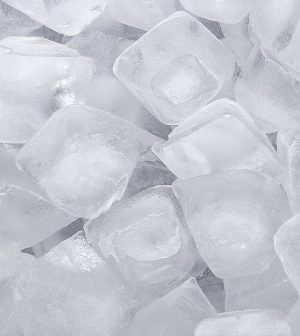
Chewing on ice may seem harmless, perhaps even refreshing, but dental experts warn it can actually wreak havoc on your teeth.
While the occasional crunch of an ice cube isn’t likely to do severe damage, making it a daily habit can lead to enamel damage, cracked fillings and even jaw pain over time.
Ice is among the hardest things people regularly bite into and repeated pressure can chip or fracture the tooth’s protective outer layer.
Once that layer, the enamel, is weakened, teeth become more sensitive to hot and cold foods and drinks and prone to further injury.
“Many people chew ice because it feels refreshing, but frequent cravings might indicate a deeper cause,” Dr. Aikaterini Papathanasiou said in a news release. She’s a professor and chair of the Comprehensive Care Department at Tufts University School of Dental Medicine in Boston.
Further, the habit can damage dental work oftentimes without immediate symptoms, and over time, people may experience sharp tooth sensitivity or notice tiny cracks that require more expensive repairs.
Beyond the teeth, the repetitive stress from crushing ice can strain jaw muscles.
Research shows that people who often chew ice are more likely to experience tenderness or pain in the temporomandibular joint, which connects the jaw to the skull.
Experts say frequent cravings for ice may also point to deeper health issues.
Some people chew ice because it helps relieve dry mouth or dehydration. But a constant urge to crunch ice (also known as pagophagia) can sometimes signal an iron deficiency or anemia.
If quitting the habit feels impossible or if ice cravings happen daily, experts recommend talking with a doctor to check for underlying causes.
In the meantime, choosing cold water or softer frozen items can satisfy cravings without doing damage to your smile.
More information
The Mayo Clinic has more on iron deficiency anemia.
SOURCE: Tufts University, news release, Oct. 3, 2025
Source: HealthDay
Copyright © 2026 HealthDay. All rights reserved.
Related
-
 Navigating Your Midlife Crisis: Embracing New Possibilities
A midlife crisis can open doors to personal growth...
- December 4, 2025
-
 Want A Happier Hospital? Hire More Nurses, Study Says
Adding even a few extra nurses can dramatically reduce...
- November 20, 2025
-
 Plasma Treatment Shows Promise For Menopause Symptoms Among Breast Cancer Survivors
Plasma infusions may help breast cancer survivors avoid genital...
- November 20, 2025
-
 Self-Hypnosis Can Thwart Hot Flashes
Self-hypnosis might help some women in menopause find relief...
- November 14, 2025






