
- How Blue Light Impacts Your Sleep Quality
- Comparing Whey and Plant-Based Protein: Which is Best?
- How Long Does Nicotine Remain in Your System?
- The Best Time of Day to Drink Bone Broth to Maximize Health Benefits
- 8 Ways to Increase Dopamine Naturally
- 7 Best Breads for Maintaining Stable Blood Sugar
- Gelatin vs. Collagen: Which is Best for Skin, Nails, and Joints?
- The Long-Term Effects of Daily Turmeric Supplements on Liver Health
- Could Your Grocery Store Meat Be Causing Recurring UTIs?
- Are You Making This Expensive Thermostat Error This Winter?
FDA and Kenvue Say No Autism Link to Tylenol Use During Pregnancy
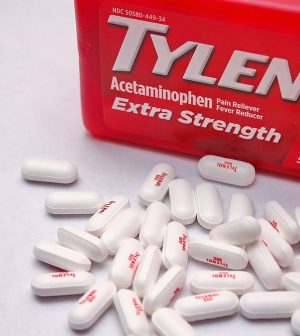
The maker of Tylenol is urging U.S. health regulators not to add an autism warning label to it and other pain-relievers containing acetaminophen, calling the request “unsupported by the scientific evidence and legally and procedurally improper.”
Kenvue’s response, dated Oct. 17, came after a citizen petition sought new pregnancy warnings for acetaminophen.
The petition, filed by the Informed Consent Action Network, asked the U.S. Food and Drug Administration (FDA) to note a possible link between prenatal exposure and autism or attention-deficit/hyperactivity disorder (ADHD).
The petition piggybacked on recent remarks by President Donald Trump, who said Tylenol might cause autism — a claim many health experts say is not supported by science.
“For over a decade — and as recently as August — FDA has fully evaluated the emerging scientific evidence and repeatedly concluded that the data do not support a causal association between acetaminophen use in pregnancy and neurodevelopmental disorders such as autism,” Kenvue said.
In a letter to doctors, FDA Commissioner Dr. Martin Makary said that while some studies describe an association, “a causal relationship has not been established and there are contrary studies in the scientific literature,” NBC News reported.
Experts say acetaminophen remains the only pain reliever considered safe during pregnancy.
More information
The Mayo Clinic has more on acetaminophen.
SOURCE: NBC News, Oct. 21, 2025
Source: HealthDay
Copyright © 2026 HealthDay. All rights reserved.
Related
-
 Navigating Your Midlife Crisis: Embracing New Possibilities
A midlife crisis can open doors to personal growth...
- December 4, 2025
-
 Want A Happier Hospital? Hire More Nurses, Study Says
Adding even a few extra nurses can dramatically reduce...
- November 20, 2025
-
 Plasma Treatment Shows Promise For Menopause Symptoms Among Breast Cancer Survivors
Plasma infusions may help breast cancer survivors avoid genital...
- November 20, 2025
-
 Self-Hypnosis Can Thwart Hot Flashes
Self-hypnosis might help some women in menopause find relief...
- November 14, 2025






