
- How Blue Light Impacts Your Sleep Quality
- Comparing Whey and Plant-Based Protein: Which is Best?
- How Long Does Nicotine Remain in Your System?
- The Best Time of Day to Drink Bone Broth to Maximize Health Benefits
- 8 Ways to Increase Dopamine Naturally
- 7 Best Breads for Maintaining Stable Blood Sugar
- Gelatin vs. Collagen: Which is Best for Skin, Nails, and Joints?
- The Long-Term Effects of Daily Turmeric Supplements on Liver Health
- Could Your Grocery Store Meat Be Causing Recurring UTIs?
- Are You Making This Expensive Thermostat Error This Winter?
Concussions Increase Traffic Crash Risk For Weeks After
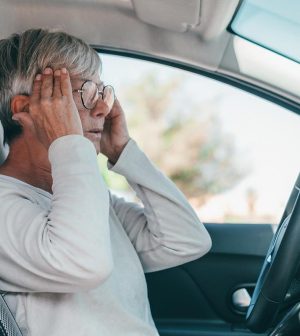
Folks who’ve had a recent concussion might not want to get behind the wheel anytime soon.
Concussion victims are more likely to wind up in a traffic crash and that increased risk is highest during the first four weeks after their brain injury, researchers reported Nov. 6 in BMJ Open.
A concussion causes brain problems that can affect driving skills, including insomnia, dizziness, depression, brain fog and slowed reaction times, researchers said.
“I worry that sometimes a concussion requires more recovery time than most people realize,” lead researcher Dr. Donald Redelmeier, a scientist at the Institute for Clinical Evaluative Sciences and Sunnybrook Research Institute in Toronto, Canada, said in a news release.
“Rushing things might lead to another injury including a life-threatening traffic crash,” he said.
For the study, researchers analyzed medical records for more than 3 million patients in Ontario who suffered either a concussion or an ankle sprain between April 2002 and March 2022.
They identified more than 425,000 people who were treated for concussion and 2.6 million with an ankle sprain.
People with a concussion had an overall 49% higher risk of being in a traffic crash than those who’d sprained their ankle, the study found.
But their risk was six times higher in the first month following a concussion, researchers noted.
About 1 in every 13 concussion patients wound up injured in a subsequent traffic crash, researchers found.
While the study couldn’t establish a cause-and-effect relationship, it does show a strong link between concussion and crash risk, researchers said.
They suggested that patients seek treatment for the symptoms of concussion that increase traffic risk, including insomnia, headaches and depression.
They also should avoid high-speed driving during late-night hours in bad weather during the first month after their concussion.
“These results highlight the importance of traffic safety following a concussion as well as preventing concussions in the first place,” researcher Robert Tibshirani, a professor of statistics at Stanford University, said in a news release.
More information
The Children’s Hospital of Philadelphia has more on concussion and driving.
SOURCE: Institute for Clinical Evaluative Sciences, news release, Nov. 6, 2025
Source: HealthDay
Copyright © 2026 HealthDay. All rights reserved.
Related
-
 Navigating Your Midlife Crisis: Embracing New Possibilities
A midlife crisis can open doors to personal growth...
- December 4, 2025
-
 Want A Happier Hospital? Hire More Nurses, Study Says
Adding even a few extra nurses can dramatically reduce...
- November 20, 2025
-
 Plasma Treatment Shows Promise For Menopause Symptoms Among Breast Cancer Survivors
Plasma infusions may help breast cancer survivors avoid genital...
- November 20, 2025
-
 Self-Hypnosis Can Thwart Hot Flashes
Self-hypnosis might help some women in menopause find relief...
- November 14, 2025






