
- How Blue Light Impacts Your Sleep Quality
- Comparing Whey and Plant-Based Protein: Which is Best?
- How Long Does Nicotine Remain in Your System?
- The Best Time of Day to Drink Bone Broth to Maximize Health Benefits
- 8 Ways to Increase Dopamine Naturally
- 7 Best Breads for Maintaining Stable Blood Sugar
- Gelatin vs. Collagen: Which is Best for Skin, Nails, and Joints?
- The Long-Term Effects of Daily Turmeric Supplements on Liver Health
- Could Your Grocery Store Meat Be Causing Recurring UTIs?
- Are You Making This Expensive Thermostat Error This Winter?
Costs for Kids’ Food Allergies Estimated at Nearly $25 Billion

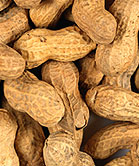
MONDAY, Sept. 16Childhood food allergies cost the United States about $25 billion a year in medical fees, lost work productivity and family expenses, according to a new study.
Food allergies affect about 8 percent of children in the United States. Along with significant costs to the health-care system, food allergies also cause financial burdens for families from needed expenses such as special diets and allergen-free foods, the researchers noted.
The study was published online Sept. 16 in the journal JAMA Pediatrics.
The researchers surveyed more than 1,600 caregivers of a child with a food allergy. The most common allergies were peanut (about 29 percent), milk (22 percent) and shellfish (19 percent).
Annual food-allergy-related costs were nearly $4,200 per child, which works out to $24.8 billion a year nationwide. The national total includes $4.3 billion in direct medical costs and $20.5 billion in costs to families, according to a journal news release.
Hospitalizations accounted for the largest amount of direct medical costs, at $1.9 billion. Costs for outpatient visits to allergists reached $819 million, emergency-room visits were $764 million and pediatrician visits were $543 million.
Special diets and allergen-free foods cost families $1.7 billion a year, the study estimated. The cost of lost work productivity that occurs when caregivers take their children to medical visits is $773 million a year.
“In summary, childhood food allergy in the United States places a considerable economic burden on families and society,” said study author Dr. Ruchi Gupta, of the Lurie Children’s Hospital of Chicago and the Northwestern University Feinberg School of Medicine, and colleagues. “Given these findings, research to develop an effective food allergy treatment and cure is critically needed.”
More information
The American Academy of Family Physicians has more about food allergies.
Source: HealthDay
Copyright © 2026 HealthDay. All rights reserved.
Related
-
 Navigating Your Midlife Crisis: Embracing New Possibilities
A midlife crisis can open doors to personal growth...
- December 4, 2025
-
 Want A Happier Hospital? Hire More Nurses, Study Says
Adding even a few extra nurses can dramatically reduce...
- November 20, 2025
-
 Plasma Treatment Shows Promise For Menopause Symptoms Among Breast Cancer Survivors
Plasma infusions may help breast cancer survivors avoid genital...
- November 20, 2025
-
 Self-Hypnosis Can Thwart Hot Flashes
Self-hypnosis might help some women in menopause find relief...
- November 14, 2025






