
- How Blue Light Impacts Your Sleep Quality
- Comparing Whey and Plant-Based Protein: Which is Best?
- How Long Does Nicotine Remain in Your System?
- The Best Time of Day to Drink Bone Broth to Maximize Health Benefits
- 8 Ways to Increase Dopamine Naturally
- 7 Best Breads for Maintaining Stable Blood Sugar
- Gelatin vs. Collagen: Which is Best for Skin, Nails, and Joints?
- The Long-Term Effects of Daily Turmeric Supplements on Liver Health
- Could Your Grocery Store Meat Be Causing Recurring UTIs?
- Are You Making This Expensive Thermostat Error This Winter?
Insecticide-Laced Underwear No Match for Lice

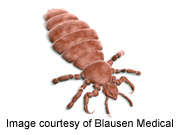
Insecticide-treated underwear won’t wipe out lice infestations in homeless shelters, according to a new study.
The strategy initially showed some success, but the lice soon developed resistance to the chemical, the researchers said.
Body lice can spread through direct contact and shared clothing and bedding, and the problem is worsened by overcrowded conditions.
The study, which was published online Dec. 4 in the journal JAMA Dermatology, examined the impact of giving homeless people underwear treated with the insecticide permethrin. Forty participants were given new underwear treated with the insecticide and 33 others received untreated underwear. They were checked 14 and 45 days later.
On day 14, the researchers found that 11 of the 40 people given treated underwear were free of body lice, compared with three of the 33 who received untreated underwear. This difference, however, was no longer evident at day 45, and the body lice showed increasing resistance to the insecticide.
“This trial clearly demonstrates that the use of [insecticide-treated] underwear had the consequence of increasing the percentage of permethrin-resistant body lice in sheltered homeless people,” said study leader Samir Benkouiten, of Aix Marseille University, in France. “These findings lead us to recommend avoiding the use of permethrin to treat body-lice infestations, although implementing new strategies is crucial.”
More information
The U.S. Centers for Disease Control and Prevention has more about body lice.
Source: HealthDay
Copyright © 2026 HealthDay. All rights reserved.
Related
-
 Navigating Your Midlife Crisis: Embracing New Possibilities
A midlife crisis can open doors to personal growth...
- December 4, 2025
-
 Want A Happier Hospital? Hire More Nurses, Study Says
Adding even a few extra nurses can dramatically reduce...
- November 20, 2025
-
 Plasma Treatment Shows Promise For Menopause Symptoms Among Breast Cancer Survivors
Plasma infusions may help breast cancer survivors avoid genital...
- November 20, 2025
-
 Self-Hypnosis Can Thwart Hot Flashes
Self-hypnosis might help some women in menopause find relief...
- November 14, 2025






