
- How Blue Light Impacts Your Sleep Quality
- Comparing Whey and Plant-Based Protein: Which is Best?
- How Long Does Nicotine Remain in Your System?
- The Best Time of Day to Drink Bone Broth to Maximize Health Benefits
- 8 Ways to Increase Dopamine Naturally
- 7 Best Breads for Maintaining Stable Blood Sugar
- Gelatin vs. Collagen: Which is Best for Skin, Nails, and Joints?
- The Long-Term Effects of Daily Turmeric Supplements on Liver Health
- Could Your Grocery Store Meat Be Causing Recurring UTIs?
- Are You Making This Expensive Thermostat Error This Winter?
Just Imagining Brightness Might Make Your Eyes React
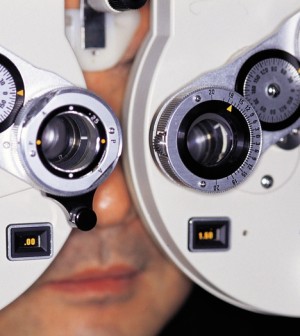
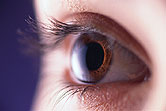
Simply imagining scenes such as a sunny day or a night sky can cause your pupils to change size, a new study finds.
Pupils automatically dilate (get bigger) or contract (get smaller) in response to the amount of light entering the eye. This study shows that visualizing dark or bright scenes affects people’s pupils as if they were actually seeing the images.
In one experiment, participants looked at a screen with triangles of different levels of brightness. When later asked to imagine those triangles, the participants’ pupils varied in size according to each triangle’s brightness. When they imagined brighter triangles, their pupils were smaller, and when they imagined darker triangles, their pupils were larger.
Pupils also changed diameter when study participants imagined a sunny sky, a dark room, or a face in the sun versus a face in the shade, according to the study published online Nov. 27 in the journal Psychological Science.
The results of the experiments aren’t due to voluntary changes in pupil size or variations in the mental effort required to imagine scenes, the researchers pointed out in a news release from the Association for Psychological Science.
“Because humans cannot voluntarily constrict the eyes’ pupils, the presence of pupillary adjustments to imaginary light presents a strong case for mental imagery as a process based on brain states similar to those which arise during actual perception,” study leader Bruno Laeng, of the University of Oslo in Norway, said in the news release.
This research may potentially enable scientists to probe the mental experiences of animals, babies, and even patients with severe neurological disorders, the study authors suggested.
More information
The U.S. National Eye Institute explains how you see.
Source: HealthDay
Copyright © 2026 HealthDay. All rights reserved.
Related
-
 Navigating Your Midlife Crisis: Embracing New Possibilities
A midlife crisis can open doors to personal growth...
- December 4, 2025
-
 Want A Happier Hospital? Hire More Nurses, Study Says
Adding even a few extra nurses can dramatically reduce...
- November 20, 2025
-
 Plasma Treatment Shows Promise For Menopause Symptoms Among Breast Cancer Survivors
Plasma infusions may help breast cancer survivors avoid genital...
- November 20, 2025
-
 Self-Hypnosis Can Thwart Hot Flashes
Self-hypnosis might help some women in menopause find relief...
- November 14, 2025






