
- How Blue Light Impacts Your Sleep Quality
- Comparing Whey and Plant-Based Protein: Which is Best?
- How Long Does Nicotine Remain in Your System?
- The Best Time of Day to Drink Bone Broth to Maximize Health Benefits
- 8 Ways to Increase Dopamine Naturally
- 7 Best Breads for Maintaining Stable Blood Sugar
- Gelatin vs. Collagen: Which is Best for Skin, Nails, and Joints?
- The Long-Term Effects of Daily Turmeric Supplements on Liver Health
- Could Your Grocery Store Meat Be Causing Recurring UTIs?
- Are You Making This Expensive Thermostat Error This Winter?
Dermatologist Offers Tips on Dry Winter Skin

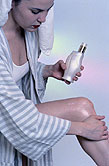
Dry skin is common during the winter and can lead to flaking, itching, cracking and even bleeding. But you can prevent and treat dry skin, an expert says.
“It’s tempting, especially in cold weather, to take long, hot showers,” Dr. Stephen Stone said in an American Academy of Dermatology news release. “But being in the water for a long time and using hot water can be extremely drying to the skin. Keep your baths and showers short and make sure you use warm, not hot, water.”
“Switching to a mild cleanser can also help reduce itching,” said Stone, a professor of dermatology at the Southern Illinois University School of Medicine. “Be sure to gently pat the skin dry after your bath or shower, as rubbing the skin can be irritating.”
Stone, who also is the school’s director of clinical research, recommended applying moisturizer after getting out of the bath or shower. Ointments and creams tend to be more effective than lotions, he said.
Be sure to check the ingredients in skin-care products, Stone said, because deodorant soaps, alcohol-based toners and products that contain fragrance can irritate dry, sensitive skin.
People tend to wash their hands more often in the winter to rid themselves of potentially harmful germs, he said. If you clean your hands frequently, hand sanitizers are a good alternative.
It’s a good idea to apply hand cream after each hand-washing, Stone said. If the skin on your hands needs more help, dab petroleum jelly on them before bed. If your hands are frequently immersed in water, wear waterproof gloves.
Stone suggested using a humidifier to add moisture to your home’s air. He also recommended wearing soft fabrics that breathe, such as 100 percent cotton. With wool or other rough fabrics, wear a soft fabric underneath, he said.
If these measures don’t relieve your dry skin, you may require a prescription ointment or cream, Stone said. Dry skin can be a sign of an underlying health condition, such as eczema, he said.
More information
The American Osteopathic College of Dermatology has more about dry skin.
Source: HealthDay
Copyright © 2026 HealthDay. All rights reserved.
Related
-
 Navigating Your Midlife Crisis: Embracing New Possibilities
A midlife crisis can open doors to personal growth...
- December 4, 2025
-
 Want A Happier Hospital? Hire More Nurses, Study Says
Adding even a few extra nurses can dramatically reduce...
- November 20, 2025
-
 Plasma Treatment Shows Promise For Menopause Symptoms Among Breast Cancer Survivors
Plasma infusions may help breast cancer survivors avoid genital...
- November 20, 2025
-
 Self-Hypnosis Can Thwart Hot Flashes
Self-hypnosis might help some women in menopause find relief...
- November 14, 2025






