
- How Blue Light Impacts Your Sleep Quality
- Comparing Whey and Plant-Based Protein: Which is Best?
- How Long Does Nicotine Remain in Your System?
- The Best Time of Day to Drink Bone Broth to Maximize Health Benefits
- 8 Ways to Increase Dopamine Naturally
- 7 Best Breads for Maintaining Stable Blood Sugar
- Gelatin vs. Collagen: Which is Best for Skin, Nails, and Joints?
- The Long-Term Effects of Daily Turmeric Supplements on Liver Health
- Could Your Grocery Store Meat Be Causing Recurring UTIs?
- Are You Making This Expensive Thermostat Error This Winter?
Get Fit Before You Hit the Slopes

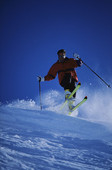
FRIDAY, Jan. 3Downhill skiing is a great way to enjoy winter, but you need to prepare your body beforehand to reduce the risk of injuries, an expert suggests.
“Most of us don’t train before going on vacation, but it’s important for skiers to work out because they tend to fall more when they are tired,” Dr. David Lintner, chief of sports medicine at Houston Methodist Hospital, said in a hospital news release.
“Cardiac conditioning, leg strengthening and agility exercises are simple ways to increase endurance,” he added.
Of the nearly 144,000 skiing injuries in the United States each year, the most common are a type of knee injury known as an anterior cruciate ligament (ACL) tear, and ulnar collateral ligament (UCL) tears, also known as skier’s thumb.
To prevent ACL tears, start by jumping rope and then play basketball or tennis. That will strengthen the knee and familiarize the body with the motions of skiing, Lintner explained.
Skier’s thumb happens when skiers fall on their hands while holding a ski pole awkwardly. It can’t be prevented, but many companies have created safer equipment to help skiers protect their hands.
It’s also important to properly prepare your ski equipment. This includes getting the bindings checked by an expert to ensure they are properly adjusted, Lintner said.
Skiers also need to pay attention to snow and sun conditions.
“Few shadows on a cloudy day make it hard to see the slope’s contours and even harder to avoid the bumps that can lead to falls,” Lintner said. “Also, check the snow conditions. If the snow is heavy and lumpy, check to see which slopes are groomed that day.”
If you do suffer an injury while on a ski vacation, have it checked by a doctor before you return home, Lintner advised.
More information
The American Academy of Orthopaedic Surgeons has more about ski injury prevention.
Source: HealthDay
Copyright © 2026 HealthDay. All rights reserved.
Related
-
 Navigating Your Midlife Crisis: Embracing New Possibilities
A midlife crisis can open doors to personal growth...
- December 4, 2025
-
 Want A Happier Hospital? Hire More Nurses, Study Says
Adding even a few extra nurses can dramatically reduce...
- November 20, 2025
-
 Plasma Treatment Shows Promise For Menopause Symptoms Among Breast Cancer Survivors
Plasma infusions may help breast cancer survivors avoid genital...
- November 20, 2025
-
 Self-Hypnosis Can Thwart Hot Flashes
Self-hypnosis might help some women in menopause find relief...
- November 14, 2025






