
- How Blue Light Impacts Your Sleep Quality
- Comparing Whey and Plant-Based Protein: Which is Best?
- How Long Does Nicotine Remain in Your System?
- The Best Time of Day to Drink Bone Broth to Maximize Health Benefits
- 8 Ways to Increase Dopamine Naturally
- 7 Best Breads for Maintaining Stable Blood Sugar
- Gelatin vs. Collagen: Which is Best for Skin, Nails, and Joints?
- The Long-Term Effects of Daily Turmeric Supplements on Liver Health
- Could Your Grocery Store Meat Be Causing Recurring UTIs?
- Are You Making This Expensive Thermostat Error This Winter?
Both Sides of Brain Involved in Speech, Study Finds

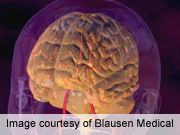
Speech involves the use of both sides of the brain, according to a study that may overturn the widely held belief that only one side of the brain is used for this task.
The findings improve understanding of how speech is generated in the brain and could help lead to new ways to treat speech problems, the researchers said.
They noted that previous conclusions about speech were from studies that relied on indirect measurements of brain activity. This new study directly examined the link between speech and brain activity. Patients in the study had specialized electrodes implanted directly inside and on the surface of the brain.
The researchers focused on parts of the brain used during speech. The participants were asked to repeat two “non-words” — “kig” and “pob.” Using non-words to trigger brain activity enabled the researchers to isolate speech from language.
The results showed that the participants used both sides of the brain for speech, according to the study published Jan. 15 in the journal Nature.
“Now that we have greater insights into the connection between the brain and speech, we can begin to develop new ways to aid those trying to regain the ability to speak after a stroke or injuries resulting in brain damage,” study senior author Bijan Pesaran, an associate professor in New York University’s Center for Neural Science, said in a university news release.
“With this greater understanding of the speech process, we can retool rehabilitation methods in ways that isolate speech recovery and that don’t involve language,” he added.
More information
The U.S. National Library of Medicine has more about speech and communication disorders.
Source: HealthDay
Copyright © 2026 HealthDay. All rights reserved.
Related
-
 Navigating Your Midlife Crisis: Embracing New Possibilities
A midlife crisis can open doors to personal growth...
- December 4, 2025
-
 Want A Happier Hospital? Hire More Nurses, Study Says
Adding even a few extra nurses can dramatically reduce...
- November 20, 2025
-
 Plasma Treatment Shows Promise For Menopause Symptoms Among Breast Cancer Survivors
Plasma infusions may help breast cancer survivors avoid genital...
- November 20, 2025
-
 Self-Hypnosis Can Thwart Hot Flashes
Self-hypnosis might help some women in menopause find relief...
- November 14, 2025






