
- How Blue Light Impacts Your Sleep Quality
- Comparing Whey and Plant-Based Protein: Which is Best?
- How Long Does Nicotine Remain in Your System?
- The Best Time of Day to Drink Bone Broth to Maximize Health Benefits
- 8 Ways to Increase Dopamine Naturally
- 7 Best Breads for Maintaining Stable Blood Sugar
- Gelatin vs. Collagen: Which is Best for Skin, Nails, and Joints?
- The Long-Term Effects of Daily Turmeric Supplements on Liver Health
- Could Your Grocery Store Meat Be Causing Recurring UTIs?
- Are You Making This Expensive Thermostat Error This Winter?
Sleep Apnea Common After Spinal Cord Injury, Study Finds

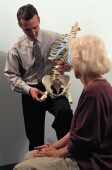
TUESDAY, Jan. 28People with spinal cord injuries should be assessed for sleep apnea, researchers suggest.
In a study that looked at 26 people with cervical (neck) and thoracic (upper mid-back) spinal cord injuries, investigators found that 77 percent of them had breathing problems during sleep and 92 percent had poor sleep quality.
The nature of the breathing problems experienced by these patients during sleep is complex, and many of them had both obstructive and central sleep apnea. Obstructive sleep apnea causes the airway to collapse or become blocked during sleep, while in central sleep apnea, the brain fails to send the proper signals to the muscles that control breathing.
Central sleep apnea was more common in patients with cervical spinal injuries than in those with thoracic spinal injuries, according to the study published recently in the Journal of Clinical Sleep Medicine.
“The majority of spinal cord injury survivors have symptomatic sleep-disordered breathing and poor sleep that may be missed if not carefully assessed,” lead author Dr. Abdulghani Sankari, physician scientist at John D. Dingell VA Medical Center and Wayne State University School of Medicine in Detroit, said in a journal news release.
“Our findings help in identifying the mechanism of sleep-disordered breathing in spinal cord injury and may provide potential targets for new treatment,” he added.
Breathing problems during sleep may increase spinal cord injury patients’ risk of cardiovascular death, noted study co-author Dr. M. Safwan Badr, the president of the American Academy of Sleep Medicine.
“All spinal cord injury patients should undergo a comprehensive sleep evaluation using full, overnight polysomnography for the accurate diagnosis of sleep apnea,” Badr said in the news release.
More information
The U.S. National Institute of Neurological Disorders and Stroke has more about spinal cord injuries.
Source: HealthDay
Copyright © 2026 HealthDay. All rights reserved.
Related
-
 Navigating Your Midlife Crisis: Embracing New Possibilities
A midlife crisis can open doors to personal growth...
- December 4, 2025
-
 Want A Happier Hospital? Hire More Nurses, Study Says
Adding even a few extra nurses can dramatically reduce...
- November 20, 2025
-
 Plasma Treatment Shows Promise For Menopause Symptoms Among Breast Cancer Survivors
Plasma infusions may help breast cancer survivors avoid genital...
- November 20, 2025
-
 Self-Hypnosis Can Thwart Hot Flashes
Self-hypnosis might help some women in menopause find relief...
- November 14, 2025






