
- How Blue Light Impacts Your Sleep Quality
- Comparing Whey and Plant-Based Protein: Which is Best?
- How Long Does Nicotine Remain in Your System?
- The Best Time of Day to Drink Bone Broth to Maximize Health Benefits
- 8 Ways to Increase Dopamine Naturally
- 7 Best Breads for Maintaining Stable Blood Sugar
- Gelatin vs. Collagen: Which is Best for Skin, Nails, and Joints?
- The Long-Term Effects of Daily Turmeric Supplements on Liver Health
- Could Your Grocery Store Meat Be Causing Recurring UTIs?
- Are You Making This Expensive Thermostat Error This Winter?
Researchers Uncover the Secret Behind Bowel Movements

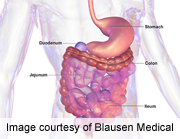
Everybody does it, but until now researchers were unsure about the exact mechanisms behind a bowel movement.
New research reveals that two sets of so-called “pacemakers” work together to create a certain rhythm, and these pacemakers use nerves and muscles to allow two types of movement: one that allows the body to absorb nutrients and another that moves food along the digestive tract.
“In the long run, it’s simple,” Jan Huizinga, a gastroenterology scientist at the Farncombe Family Digestive Health Institute at McMaster University in Canada, said in a university news release.
“It’s like when a stone is dropped in water, it creates waves or motion that pushes things along, but when a second stone is dropped in the water, the movement changes to up and down, appearing to stay in the same place,” the researcher explained.
So, when people have diarrhea, this activity is too low. For those suffering from constipation, the same activity is too high, Huizinga and colleagues noted. Abnormal activity can also lead to pain associated with eating.
The study findings, published Feb. 24 in Nature Communications, could help scientists develop new drugs or nutrients to treat diarrhea, constipation, bloating or disorders that prevent people from absorbing nutrients properly.
More information
The U.S. National Institute of Diabetes and Digestive and Kidney Diseases has more about the digestive system and how it works.
Source: HealthDay
Copyright © 2026 HealthDay. All rights reserved.
Related
-
 Navigating Your Midlife Crisis: Embracing New Possibilities
A midlife crisis can open doors to personal growth...
- December 4, 2025
-
 Want A Happier Hospital? Hire More Nurses, Study Says
Adding even a few extra nurses can dramatically reduce...
- November 20, 2025
-
 Plasma Treatment Shows Promise For Menopause Symptoms Among Breast Cancer Survivors
Plasma infusions may help breast cancer survivors avoid genital...
- November 20, 2025
-
 Self-Hypnosis Can Thwart Hot Flashes
Self-hypnosis might help some women in menopause find relief...
- November 14, 2025






