
- How Blue Light Impacts Your Sleep Quality
- Comparing Whey and Plant-Based Protein: Which is Best?
- How Long Does Nicotine Remain in Your System?
- The Best Time of Day to Drink Bone Broth to Maximize Health Benefits
- 8 Ways to Increase Dopamine Naturally
- 7 Best Breads for Maintaining Stable Blood Sugar
- Gelatin vs. Collagen: Which is Best for Skin, Nails, and Joints?
- The Long-Term Effects of Daily Turmeric Supplements on Liver Health
- Could Your Grocery Store Meat Be Causing Recurring UTIs?
- Are You Making This Expensive Thermostat Error This Winter?
Ways to Cut Your Colon Cancer Risk
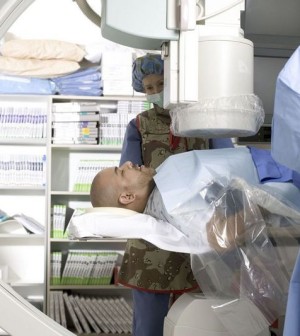
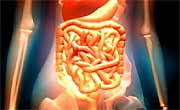
Colorectal cancer is the second leading cause of cancer death, but there are ways of reducing your risk.
“Colorectal cancer is largely preventable with early screening and detection,” Dr. Anne Lin, assistant professor of general surgery for the University of California, Los Angeles, Health System and David Geffen School of Medicine, said in a UCLA news release.
Taking the following measures can help you lower your risk of developing colorectal cancer, according to UCLA experts.
If you have a normal level of risk, you should get regular screenings beginning at age 50. If you’re at high risk — with a personal or family history of colorectal cancer, other cancers or inflammatory bowel disease — you should talk to your doctor about beginning screenings before age 50.
Every day, eat 25 to 30 grams of fiber from fruits, vegetables, nuts, beans or whole-grain breads and cereals. It’s also important to eat a low-fat diet, because colorectal cancer has been linked to diets high in saturated fat. You should also include foods with folate, such as leafy green vegetables.
If you drink alcohol, do so in moderation. If you’re a smoker, quit. The combination of drinking and smoking is associated with colorectal and other gastrointestinal cancers, according to the news release.
Get at least 20 minutes of exercise three or four days a week. Moderate activities such as walking, climbing stairs or gardening may reduce your risk of colorectal cancer.
A healthy weight is important because obesity might boost the risk of colorectal cancer.
Tell your doctor about symptoms such as a change in bowel habits, blood in the stool, abdominal pain, weight loss or narrower-than-usual stools.
More information
The U.S. National Cancer Institute has more about colorectal cancer prevention.
Source: HealthDay
Copyright © 2026 HealthDay. All rights reserved.
Related
-
 Navigating Your Midlife Crisis: Embracing New Possibilities
A midlife crisis can open doors to personal growth...
- December 4, 2025
-
 Want A Happier Hospital? Hire More Nurses, Study Says
Adding even a few extra nurses can dramatically reduce...
- November 20, 2025
-
 Plasma Treatment Shows Promise For Menopause Symptoms Among Breast Cancer Survivors
Plasma infusions may help breast cancer survivors avoid genital...
- November 20, 2025
-
 Self-Hypnosis Can Thwart Hot Flashes
Self-hypnosis might help some women in menopause find relief...
- November 14, 2025






