
- How Blue Light Impacts Your Sleep Quality
- Comparing Whey and Plant-Based Protein: Which is Best?
- How Long Does Nicotine Remain in Your System?
- The Best Time of Day to Drink Bone Broth to Maximize Health Benefits
- 8 Ways to Increase Dopamine Naturally
- 7 Best Breads for Maintaining Stable Blood Sugar
- Gelatin vs. Collagen: Which is Best for Skin, Nails, and Joints?
- The Long-Term Effects of Daily Turmeric Supplements on Liver Health
- Could Your Grocery Store Meat Be Causing Recurring UTIs?
- Are You Making This Expensive Thermostat Error This Winter?
Expert Offers Motorcycle Safety Tips
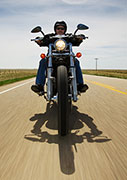
For many people, a long holiday weekend means a chance for a long motorcycle ride. But, do you know all you need to know about motorcycle safety?
“The feeling you get while riding is indescribable; however, it can change in the blink of an eye,” riding enthusiast and registered nurse, Carol Bullard, cautioned in a Wake Forest Baptist Medical Center news release.
Bullard, who also teaches a motorcycle safety class, offers these tips for motorcycle riders:
- Run through “what if” scenarios before you ride. What if a vehicle is at an intersection blocking your path? What if a dog runs out in front of your motorcycle? What will you do?
- Wear a helmet. Check its fit and make sure it meets proper U.S. Department of Transportation standards.
- Wear protective clothing. Long pants and sleeves can minimize road rash from accidents, especially if they’re armored, made out of leather, or both. And they can protect against sunburn. Closed-toed, over-the-ankle shoes or boots can prevent injuries to feet and ankles, and reflective clothing can help drivers to see you.
- Be cautious about road and weather conditions. Be especially careful when you encounter gravel or slick roads. Carry rain gear at all times.
- Communicate. Let someone know your route and plans before you ride, and keep members of a group ride informed about any medical conditions you may have. That allows other members in the group to alert emergency responders about any special issues in case of an accident.
- Take a safety course. These courses may be offered in your area by community colleges, motorcycle dealers or law enforcement agencies.
More information
For more about motorcycle safety, visit the U.S. National Highway Traffic Safety Administration.
Source: HealthDay
Copyright © 2026 HealthDay. All rights reserved.
Related
-
 Navigating Your Midlife Crisis: Embracing New Possibilities
A midlife crisis can open doors to personal growth...
- December 4, 2025
-
 Want A Happier Hospital? Hire More Nurses, Study Says
Adding even a few extra nurses can dramatically reduce...
- November 20, 2025
-
 Plasma Treatment Shows Promise For Menopause Symptoms Among Breast Cancer Survivors
Plasma infusions may help breast cancer survivors avoid genital...
- November 20, 2025
-
 Self-Hypnosis Can Thwart Hot Flashes
Self-hypnosis might help some women in menopause find relief...
- November 14, 2025






