
- How Blue Light Impacts Your Sleep Quality
- Comparing Whey and Plant-Based Protein: Which is Best?
- How Long Does Nicotine Remain in Your System?
- The Best Time of Day to Drink Bone Broth to Maximize Health Benefits
- 8 Ways to Increase Dopamine Naturally
- 7 Best Breads for Maintaining Stable Blood Sugar
- Gelatin vs. Collagen: Which is Best for Skin, Nails, and Joints?
- The Long-Term Effects of Daily Turmeric Supplements on Liver Health
- Could Your Grocery Store Meat Be Causing Recurring UTIs?
- Are You Making This Expensive Thermostat Error This Winter?
Distractions Seem More Troublesome With Age
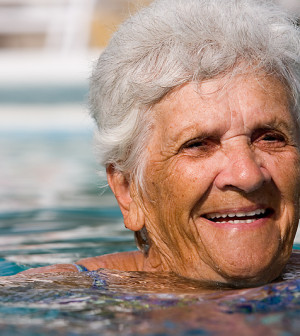

Seniors are more easily distracted during thinking and memory tasks than younger people, a new study finds.
“Almost any type of memory test administered reveals a decline in memory from the age of 25 on,” study co-author Randi Martin, professor of psychology at Rice University, said in a university news release.
However, Martin said, this study shows that “environmental interference” has a greater impact on processing in older adults compared with younger adults.
The study included 60 seniors, aged 64 to 82, and more than 100 young adults between 18 and 32. All took a series of memory and thinking tests. While doing the tests, older participants were nearly twice as likely to be distracted by irrelevant speech or written words.
Average accuracy on the ability to remember lists of words was 81 percent for younger people and 67 percent for older people. When the researchers introduced irrelevant words meant to be ignored, accuracy rates dropped to 74 percent among younger people, and to 46 percent among older people.
The researchers hope their findings, recently published in the journal Psychology and Aging, spur further investigation into the effect of environmental distractions on the brain.
“This research is very important,” Martin said. “The tests used in this study are important tools in determining how the brain is affected by environmental interference, which is critical information in treating neurological disorders, including stroke and traumatic brain injuries.”
More information
The U.S. National Institute on Aging offers advice for healthy brain aging.
Source: HealthDay
Copyright © 2026 HealthDay. All rights reserved.
Related
-
 Navigating Your Midlife Crisis: Embracing New Possibilities
A midlife crisis can open doors to personal growth...
- December 4, 2025
-
 Want A Happier Hospital? Hire More Nurses, Study Says
Adding even a few extra nurses can dramatically reduce...
- November 20, 2025
-
 Plasma Treatment Shows Promise For Menopause Symptoms Among Breast Cancer Survivors
Plasma infusions may help breast cancer survivors avoid genital...
- November 20, 2025
-
 Self-Hypnosis Can Thwart Hot Flashes
Self-hypnosis might help some women in menopause find relief...
- November 14, 2025






