
- How Blue Light Impacts Your Sleep Quality
- Comparing Whey and Plant-Based Protein: Which is Best?
- How Long Does Nicotine Remain in Your System?
- The Best Time of Day to Drink Bone Broth to Maximize Health Benefits
- 8 Ways to Increase Dopamine Naturally
- 7 Best Breads for Maintaining Stable Blood Sugar
- Gelatin vs. Collagen: Which is Best for Skin, Nails, and Joints?
- The Long-Term Effects of Daily Turmeric Supplements on Liver Health
- Could Your Grocery Store Meat Be Causing Recurring UTIs?
- Are You Making This Expensive Thermostat Error This Winter?
Obese More Likely to Survive Serious Bloodstream Infection
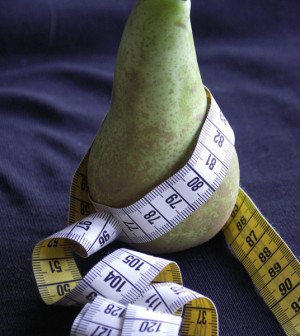

Obese seniors are more likely to survive a life-threatening bloodstream infection called sepsis than those who are at a normal weight, according to a new study.
The results are surprising because obesity often leads to worse, not better, health outcomes. The study also raises new questions about how obesity affects the body’s response to infection, the University of Michigan researchers said.
“Physicians expect obese patients to do poorly and this belief can affect the care and counseling they provide to patients and their families,” study author Dr. Hallie Prescott, a pulmonary and critical care medicine clinical lecturer at the University of Michigan, said in a university news release.
“Our study indicates obese sepsis patients actually have lower mortality and similar functional outcomes as normal weight patients,” she added.
However, the study wasn’t able to prove that obesity was the cause of the increased survival. The researchers were only able to show an association between obesity and a lower risk of death.
The study included more than 1,400 Medicare patients with sepsis. The findings are published in the August issue of the journal Critical Care Medicine.
Sepsis rates have doubled in the past 15 years. Severe sepsis results in 1 million hospitalizations a year among Medicare beneficiaries. The cost is more than $16 billion a year. That’s about four times the cost of hospitalizations for heart attacks.
Half of patients hospitalized with severe sepsis die within a year. And, many survivors suffer debilitation and require stays in rehabilitation centers.
“Obese patients who survive their sepsis hospitalization use more health care resources and require more Medicare spending — but this apparent increase in resource use is a result of living longer, not increased use per day alive,” study senior author Dr. Theodore Iwashyna, who’s also from the University of Michigan, said in the news release.
The researchers noted that learning more about how weight affects survival may help improve care for all patients with sepsis and other critical illnesses.
More information
The U.S. National Institute of General Medical Sciences has more about sepsis.
Source: HealthDay
Copyright © 2026 HealthDay. All rights reserved.
Related
-
 Navigating Your Midlife Crisis: Embracing New Possibilities
A midlife crisis can open doors to personal growth...
- December 4, 2025
-
 Want A Happier Hospital? Hire More Nurses, Study Says
Adding even a few extra nurses can dramatically reduce...
- November 20, 2025
-
 Plasma Treatment Shows Promise For Menopause Symptoms Among Breast Cancer Survivors
Plasma infusions may help breast cancer survivors avoid genital...
- November 20, 2025
-
 Self-Hypnosis Can Thwart Hot Flashes
Self-hypnosis might help some women in menopause find relief...
- November 14, 2025






