
- How Blue Light Impacts Your Sleep Quality
- Comparing Whey and Plant-Based Protein: Which is Best?
- How Long Does Nicotine Remain in Your System?
- The Best Time of Day to Drink Bone Broth to Maximize Health Benefits
- 8 Ways to Increase Dopamine Naturally
- 7 Best Breads for Maintaining Stable Blood Sugar
- Gelatin vs. Collagen: Which is Best for Skin, Nails, and Joints?
- The Long-Term Effects of Daily Turmeric Supplements on Liver Health
- Could Your Grocery Store Meat Be Causing Recurring UTIs?
- Are You Making This Expensive Thermostat Error This Winter?
Take Steps to Control Bunions

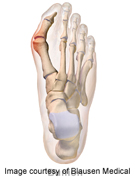
If you have bunions, taking care of them now can help you avoid more serious treatment later, an expert says.
A bunion is a bump that forms on the joint of the big toe when bone or tissue moves out of place and extends beyond the normal anatomy of the toe. Left untreated, bunions can cause debilitating pain and may require surgery to correct, said Brent Rosenthal, a podiatrist and podiatric surgeon at CentraState Medical Center in Freehold, N.J.
To prevent bunions, avoid wearing shoes with pointed triangular tips and don’t wear high heels for long periods of time each day, Rosenthal said. You should know your correct shoe size, which can increase with age, weight gain and pregnancy, he added.
If you do develop a bunion, start wearing shoes with a wide and deep toe box. Shoe inserts may reduce symptoms and prevent the bunion from getting worse, according to Rosenthal.
He also suggested using over-the-counter, non-medicated bunion pads whenever you wear shoes. If the bunion is inflamed and sore, apply ice packs several times a day, he said.
If these initial treatments don’t help, see a podiatrist, a doctor who specializes in conditions of the feet and ankle. The doctor might prescribe an anti-inflammatory drug and/or cortisone injection to ease pain and inflammation. Ultrasound therapy is widely used to treat bunion-related soft tissue damage.
If these therapies fail, surgery may be required to relieve pressure and repair the toe joint, said Rosenthal, who noted that recovery from the surgery takes time and discomfort can last weeks.
More information
The U.S. National Library of Medicine has more about bunions.
Source: HealthDay
Copyright © 2026 HealthDay. All rights reserved.
Related
-
 Navigating Your Midlife Crisis: Embracing New Possibilities
A midlife crisis can open doors to personal growth...
- December 4, 2025
-
 Want A Happier Hospital? Hire More Nurses, Study Says
Adding even a few extra nurses can dramatically reduce...
- November 20, 2025
-
 Plasma Treatment Shows Promise For Menopause Symptoms Among Breast Cancer Survivors
Plasma infusions may help breast cancer survivors avoid genital...
- November 20, 2025
-
 Self-Hypnosis Can Thwart Hot Flashes
Self-hypnosis might help some women in menopause find relief...
- November 14, 2025






