
- How Blue Light Impacts Your Sleep Quality
- Comparing Whey and Plant-Based Protein: Which is Best?
- How Long Does Nicotine Remain in Your System?
- The Best Time of Day to Drink Bone Broth to Maximize Health Benefits
- 8 Ways to Increase Dopamine Naturally
- 7 Best Breads for Maintaining Stable Blood Sugar
- Gelatin vs. Collagen: Which is Best for Skin, Nails, and Joints?
- The Long-Term Effects of Daily Turmeric Supplements on Liver Health
- Could Your Grocery Store Meat Be Causing Recurring UTIs?
- Are You Making This Expensive Thermostat Error This Winter?
ER Visits Linked to Synthetic Pot More Than Double, Report Finds
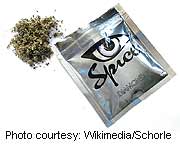
The number of visits to U.S. emergency rooms linked to synthetic pot — also known as “K2” or “Spice” — have more than doubled in recent years, U.S. officials reported Thursday.
“Synthetic cannabinoids are a growing public health risk — made even more dangerous by the widespread misconception that they are safe and legal,” Pamela Hyde, administrator at the U.S. Substance Abuse and Mental Health Services Administration (SAMHSA), said in an administration news release.
“These injury reports compel us to get the word out to all segments of the community — especially youth — that these products can cause significant harm,” she added.
Synthethic marijuana has varying amounts of different ingredients, including contaminants that can have unpredictable health effects, the news release said.
Statistics from the report illustrate that point.
- There were more than 28,500 ER visits linked to synthetic pot in 2011, compared to roughly 11,400 in 2010.
- For teens aged 12 to 17, the number of such visits to the ER doubled, from about 3,800 in 2010 to nearly 7,600 in 2011. For those aged 18 to 20, that number quadrupled, from about 2,000 in 2010 to over 8,000 in 2011.
- Males accounted for 79 percent of all visits in 2011. However, the number of visits by females tripled between 2010 and 2011.
Reported health problems caused by synthetic marijuana include anxiety, severe agitation, nausea, vomiting, tremors, seizures, hallucinations, paranoia, rapid heart rate and blood pressure, unresponsiveness and even death. Regular use of the drug can lead to withdrawal symptoms, the report said.
Hyde noted that many states offer educational information to local communities, including webinars and fact sheets for parents and other adults, on the signs and symptoms of the use of synthetic marijuana.
More information
The U.S. National Institute on Drug Abuse has more about synthetic marijuana.
Source: HealthDay
Copyright © 2026 HealthDay. All rights reserved.
Related
-
 Navigating Your Midlife Crisis: Embracing New Possibilities
A midlife crisis can open doors to personal growth...
- December 4, 2025
-
 Want A Happier Hospital? Hire More Nurses, Study Says
Adding even a few extra nurses can dramatically reduce...
- November 20, 2025
-
 Plasma Treatment Shows Promise For Menopause Symptoms Among Breast Cancer Survivors
Plasma infusions may help breast cancer survivors avoid genital...
- November 20, 2025
-
 Self-Hypnosis Can Thwart Hot Flashes
Self-hypnosis might help some women in menopause find relief...
- November 14, 2025






