
- How Blue Light Impacts Your Sleep Quality
- Comparing Whey and Plant-Based Protein: Which is Best?
- How Long Does Nicotine Remain in Your System?
- The Best Time of Day to Drink Bone Broth to Maximize Health Benefits
- 8 Ways to Increase Dopamine Naturally
- 7 Best Breads for Maintaining Stable Blood Sugar
- Gelatin vs. Collagen: Which is Best for Skin, Nails, and Joints?
- The Long-Term Effects of Daily Turmeric Supplements on Liver Health
- Could Your Grocery Store Meat Be Causing Recurring UTIs?
- Are You Making This Expensive Thermostat Error This Winter?
Scientists Create Tiny Stomachs From Stem Cells
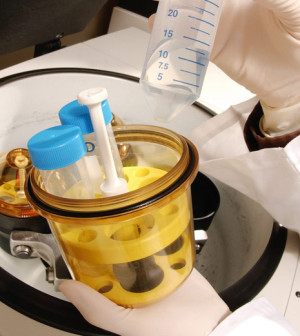

Scientists who used stem cells to create miniature human stomachs in the laboratory say their breakthrough could provide a new way to learn more about the development and treatment of stomach diseases.
The team used human pluripotent stem cells — which can become any type of cell in the body — to grow the functional miniature stomachs, to study infection by H. pylori bacteria, a major cause of ulcers and stomach cancer.
The miniature stomachs offer many research opportunities, including modeling early stages of stomach cancer, developing new drugs and learning more about obesity-related diabetes, according to principal investigator Jim Wells. He’s a scientist in the developmental biology and endocrinology divisions at Cincinnati Children’s Hospital Medical Center.
“Until this study, no one had generated gastric [stomach] cells from human pluripotent stem cells. In addition, we discovered how to promote formation of three-dimensional gastric tissue with complex architecture and cellular composition,” he said in a medical center news release.
The ability to create human stomachs in the lab is important because significant structural differences in mouse stomachs make them less than ideal for studying human stomach development and disease, Wells explained.
The study was published Oct. 29 in the journal Nature.
More information
The U.S. National Library of Medicine has more about stomach disorders.
Source: HealthDay
Copyright © 2026 HealthDay. All rights reserved.
Related
-
 Navigating Your Midlife Crisis: Embracing New Possibilities
A midlife crisis can open doors to personal growth...
- December 4, 2025
-
 Want A Happier Hospital? Hire More Nurses, Study Says
Adding even a few extra nurses can dramatically reduce...
- November 20, 2025
-
 Plasma Treatment Shows Promise For Menopause Symptoms Among Breast Cancer Survivors
Plasma infusions may help breast cancer survivors avoid genital...
- November 20, 2025
-
 Self-Hypnosis Can Thwart Hot Flashes
Self-hypnosis might help some women in menopause find relief...
- November 14, 2025






