
- How Blue Light Impacts Your Sleep Quality
- Comparing Whey and Plant-Based Protein: Which is Best?
- How Long Does Nicotine Remain in Your System?
- The Best Time of Day to Drink Bone Broth to Maximize Health Benefits
- 8 Ways to Increase Dopamine Naturally
- 7 Best Breads for Maintaining Stable Blood Sugar
- Gelatin vs. Collagen: Which is Best for Skin, Nails, and Joints?
- The Long-Term Effects of Daily Turmeric Supplements on Liver Health
- Could Your Grocery Store Meat Be Causing Recurring UTIs?
- Are You Making This Expensive Thermostat Error This Winter?
1 in 3 People With Type 1 Diabetes Still Produce Insulin, Study Says

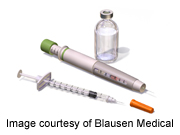
Although it’s widely accepted that people with type 1 diabetes produce no insulin, a new study suggests otherwise: Roughly one-third produce the hormone long after they are diagnosed.
Residual insulin production can last for more than four decades, researchers reported recently in the journal Diabetes Care. Their findings could help avoid the misdiagnosis of type 1 diabetes as the more common type 2 diabetes and improve treatments for blood sugar control, they suggested.
“Other studies have shown that some type 1 diabetes patients who have lived with the disease for many years continue to secrete insulin, and the assumption has been that these patients are exceptional,” said study senior author Dr. Carla Greenbaum, director of T1D Exchange Biobank Operations Center, a repository of type 1 diabetes biological samples, in Seattle.
“For the first time, we can definitively say that these patients are a true subset of the type 1 diabetes population, which has major clinical and health policy implications,” she said in a journal news release.
Worldwide, about 35 million people in the United States have type 1 diabetes, the researchers said. The autoimmune disease causes the destruction of insulin-producing cells in the pancreas, which means patients must take insulin injections or use an insulin pump.
The researchers examined type 1 diabetes samples from more than 900 people ranging in age from 5 to 88, and found that C-peptide, a byproduct of insulin production, was present in patients of all ages.
But C-peptide was found more often and in higher concentrations in those diagnosed as adults. Among those who had type 1 diabetes for three to five years, C-peptide was present in 78 percent of those diagnosed after 18 years of age, and in less than half of those diagnosed before age 18.
Additionally, 16 percent of those diagnosed as an adult and 6 percent of those diagnosed as a child had residual C-peptide more than four decades later, the researchers found. They concluded there are key differences in type 1 diabetes diagnosed during childhood and type 1 diabetes that develops during adulthood.
“These findings lend further credence to research underway on targeted therapies that could prolong insulin production, helping type 1 diabetes patients better manage their disease and reduce complications,” study co-author Asa Davis, a T1D Exchange program manager, said in the news release. “For example, potential immunotherapy treatments are already being studied with this goal in mind, and our findings underscore that those diagnosed at a young age may be more likely to benefit from such new approaches.”
The researchers also said their findings could have major policy implications, noting that many type 1 diabetes may not meet the insulin pump requirements of federal and private insurers, which are based on lack of insulin production.
More information
The American Diabetes Association provides more information on type 1 diabetes.
Source: HealthDay
Copyright © 2026 HealthDay. All rights reserved.
Related
-
 Navigating Your Midlife Crisis: Embracing New Possibilities
A midlife crisis can open doors to personal growth...
- December 4, 2025
-
 Want A Happier Hospital? Hire More Nurses, Study Says
Adding even a few extra nurses can dramatically reduce...
- November 20, 2025
-
 Plasma Treatment Shows Promise For Menopause Symptoms Among Breast Cancer Survivors
Plasma infusions may help breast cancer survivors avoid genital...
- November 20, 2025
-
 Self-Hypnosis Can Thwart Hot Flashes
Self-hypnosis might help some women in menopause find relief...
- November 14, 2025






