
- How Blue Light Impacts Your Sleep Quality
- Comparing Whey and Plant-Based Protein: Which is Best?
- How Long Does Nicotine Remain in Your System?
- The Best Time of Day to Drink Bone Broth to Maximize Health Benefits
- 8 Ways to Increase Dopamine Naturally
- 7 Best Breads for Maintaining Stable Blood Sugar
- Gelatin vs. Collagen: Which is Best for Skin, Nails, and Joints?
- The Long-Term Effects of Daily Turmeric Supplements on Liver Health
- Could Your Grocery Store Meat Be Causing Recurring UTIs?
- Are You Making This Expensive Thermostat Error This Winter?
More Cases of High Blood Pressure in Less Affluent States

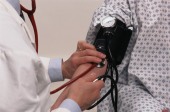
Your odds of suffering from high blood pressure may rise depending on the state you live in, a new study suggests.
Researchers at the U.S. Centers for Disease Control and Prevention report that people living in low-income states are more likely to have the ailment, compared to those living in more affluent states.
The study “suggests that hypertension risk may be influenced by societal structures, institutions, norms and policies” in various locales, according to the team led by Amy Fan, of the CDC’s National Center for Chronic Disease Prevention and Health Promotion.
Their analysis of 2011 data found that states with an average household income of about $43,000 or less, and states where nearly a fifth or more residents live below the poverty line, have higher rates of high blood pressure than wealthier states.
The overall rate of high blood pressure in the United States was about 33 percent, the study found. However, rates for individual states varied widely — from about 24 percent in Utah to nearly 41 percent in Alaska.
In low-income states, women and adults who were unable to work appeared to be at greatest risk for high blood pressure, according to the study published Feb. 26 in the CDC journal Preventing Chronic Disease.
“Prevention and control of hypertension are key elements in CDC’s state program for chronic disease prevention,” Fan and her colleagues wrote.
More information
The American Academy of Family Physicians has more about high blood pressure.
Source: HealthDay
Copyright © 2026 HealthDay. All rights reserved.
Related
-
 Navigating Your Midlife Crisis: Embracing New Possibilities
A midlife crisis can open doors to personal growth...
- December 4, 2025
-
 Want A Happier Hospital? Hire More Nurses, Study Says
Adding even a few extra nurses can dramatically reduce...
- November 20, 2025
-
 Plasma Treatment Shows Promise For Menopause Symptoms Among Breast Cancer Survivors
Plasma infusions may help breast cancer survivors avoid genital...
- November 20, 2025
-
 Self-Hypnosis Can Thwart Hot Flashes
Self-hypnosis might help some women in menopause find relief...
- November 14, 2025






