
- How Blue Light Impacts Your Sleep Quality
- Comparing Whey and Plant-Based Protein: Which is Best?
- How Long Does Nicotine Remain in Your System?
- The Best Time of Day to Drink Bone Broth to Maximize Health Benefits
- 8 Ways to Increase Dopamine Naturally
- 7 Best Breads for Maintaining Stable Blood Sugar
- Gelatin vs. Collagen: Which is Best for Skin, Nails, and Joints?
- The Long-Term Effects of Daily Turmeric Supplements on Liver Health
- Could Your Grocery Store Meat Be Causing Recurring UTIs?
- Are You Making This Expensive Thermostat Error This Winter?
Spring Allergies Coming Into Bloom
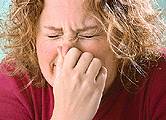
With winter loosening its icy grip on most of the United States, it’s time to think about spring allergies, a doctor says.
Allergies to spring pollens cause sneezing, stuffy and runny nose, and watery eyes. Other symptoms include itchy nose, mouth, throat, eyes and ears, said Dr. Luz Fonacier, head of allergy and training at Winthrop University Hospital in Mineola, N.Y.
At least three-quarters of asthma patients have allergies, “and these allergic responses in the lung can lead to coughing, wheezing and shortness of breath,” Fonacier added.
It’s important to know the things that trigger your allergies so that you can take steps to avoid them, she pointed out in a hospital news release.
Monitor pollen and mold counts, and stay inside during mid-day and afternoon hours when pollen counts are highest. Take a shower, wash your hair and change your clothes after being outdoors, she suggested.
During allergy season, keep windows and doors shut at home and use air conditioning, which dries the air. You also should keep your car windows up during allergy season, Fonacier said.
If you have severe allergy symptoms, wear a mask when doing outdoor tasks such as mowing the lawn. Consult an allergist about the best type of mask. She advises against mowing the lawn or raking leaves, if possible, because these activities stir up pollen and molds. Also, don’t hang sheets or clothes outside to dry.
Take allergy medications before symptoms begin and use them as prescribed. If you don’t already receive them, consider allergy shots, Fonacier said.
Some people move to other parts of the country in an attempt to reduce their allergy symptoms. However, many types of pollen and molds are common in most regions, so moving is probably not the answer, she explained.
More information
The U.S. National Library of Medicine has more about pollen allergy.
Source: HealthDay
Copyright © 2026 HealthDay. All rights reserved.
Related
-
 Navigating Your Midlife Crisis: Embracing New Possibilities
A midlife crisis can open doors to personal growth...
- December 4, 2025
-
 Want A Happier Hospital? Hire More Nurses, Study Says
Adding even a few extra nurses can dramatically reduce...
- November 20, 2025
-
 Plasma Treatment Shows Promise For Menopause Symptoms Among Breast Cancer Survivors
Plasma infusions may help breast cancer survivors avoid genital...
- November 20, 2025
-
 Self-Hypnosis Can Thwart Hot Flashes
Self-hypnosis might help some women in menopause find relief...
- November 14, 2025






