
- How Blue Light Impacts Your Sleep Quality
- Comparing Whey and Plant-Based Protein: Which is Best?
- How Long Does Nicotine Remain in Your System?
- The Best Time of Day to Drink Bone Broth to Maximize Health Benefits
- 8 Ways to Increase Dopamine Naturally
- 7 Best Breads for Maintaining Stable Blood Sugar
- Gelatin vs. Collagen: Which is Best for Skin, Nails, and Joints?
- The Long-Term Effects of Daily Turmeric Supplements on Liver Health
- Could Your Grocery Store Meat Be Causing Recurring UTIs?
- Are You Making This Expensive Thermostat Error This Winter?
Head Injuries May Prematurely Age the Brain, Study Suggests

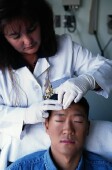
Serious head injuries may lead to premature brain aging, a new British study suggests.
“Traumatic brain injury is not a static event. It can set off secondary processes, possibly related to inflammation, that can cause more damage in the brain for years afterwards, and may contribute to the development of Alzheimer’s or other forms of dementia,” study leader Dr. James Cole, from Imperial College London, said in a college news release.
Researchers looked at brain scans from 99 people who suffered traumatic brain injuries from traffic crashes, falls or assaults. After their injuries, they had persistent neurological problems. Their brain scans were taken between one month and 46 years after their injuries, according to the researchers. These scans were compared to brain scans of healthy people.
The researchers also created a computer model using measures of the brain’s white matter and gray matter to estimate a person’s brain age. They said it’s known that head injuries increase the risk of age-related brain conditions, such as dementia. The computer model would serve as a screening tool to identify brain injury patients at risk of developing problems.
The study found that the brains of the people with head injuries showed changes in structure that resembled those in older people. On average, their brains appeared to be about five years older than their actual age, estimated using the computer model.
The study appears in the April issue of the Annals of Neurology.
The brain age prediction model might also be used to screen seemingly healthy people.
“We want to do a study where we use the program to estimate brain age in healthy people, then see if the ones with ‘old brains’ are more likely to get neurodegenerative diseases. If it works, we could use it to identify people at high risk, enroll them in trials and potentially prescribe treatments that might stave off disease,” Cole said.
More information
The American Academy of Family Physicians has more about traumatic brain injury.
Source: HealthDay
Copyright © 2026 HealthDay. All rights reserved.
Related
-
 Navigating Your Midlife Crisis: Embracing New Possibilities
A midlife crisis can open doors to personal growth...
- December 4, 2025
-
 Want A Happier Hospital? Hire More Nurses, Study Says
Adding even a few extra nurses can dramatically reduce...
- November 20, 2025
-
 Plasma Treatment Shows Promise For Menopause Symptoms Among Breast Cancer Survivors
Plasma infusions may help breast cancer survivors avoid genital...
- November 20, 2025
-
 Self-Hypnosis Can Thwart Hot Flashes
Self-hypnosis might help some women in menopause find relief...
- November 14, 2025






