
- How Blue Light Impacts Your Sleep Quality
- Comparing Whey and Plant-Based Protein: Which is Best?
- How Long Does Nicotine Remain in Your System?
- The Best Time of Day to Drink Bone Broth to Maximize Health Benefits
- 8 Ways to Increase Dopamine Naturally
- 7 Best Breads for Maintaining Stable Blood Sugar
- Gelatin vs. Collagen: Which is Best for Skin, Nails, and Joints?
- The Long-Term Effects of Daily Turmeric Supplements on Liver Health
- Could Your Grocery Store Meat Be Causing Recurring UTIs?
- Are You Making This Expensive Thermostat Error This Winter?
Brain’s Visual Center Similar in Sighted and Those Blind From Birth

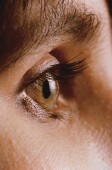
The way the brain organizes its visual sense is the same in people who are blind from birth and sighted people, a new study shows.
The findings challenge the long-held belief that the brain’s visual cortex — which handles the sense of sight — doesn’t develop properly in people who are blind from birth.
“The brain’s map is hardwired, possibly dependent on genetically driven processes that do not need any external sensory information for their activation,” said study co-lead researcher Amir Amedi, associate professor of medical neurobiology at the Hebrew University of Jerusalem.
The researchers used functional MRI to monitor activity in the visual cortex of people born blind and people with sight. Both groups had the same type of wiring in the visual cortex, researchers found.
This was true even in blind people whose eyes did not develop normally, according to the study published April 13 in the journal Brain.
“Though the ‘blind brain’ wiring may change greatly in the blind in its frontal language related parts, it still retains the most fundamental organizational principles of the visual cortex — known as ‘retinotopic mapping’ — the processing of two-dimensional visual images through the eye,” Amedi said in a university news release.
The findings suggested that many features of visual cortex development do not require visual experience to progress, and that the visual cortex does not lose all of its properties even when a person has no vision.
Amedi added that the findings suggest “it may be possible to successfully teach blind people to ‘see with sounds.'”
More information
The U.S. National Library of Medicine has more about low vision and blindness.
Source: HealthDay
Copyright © 2026 HealthDay. All rights reserved.
Related
-
 Navigating Your Midlife Crisis: Embracing New Possibilities
A midlife crisis can open doors to personal growth...
- December 4, 2025
-
 Want A Happier Hospital? Hire More Nurses, Study Says
Adding even a few extra nurses can dramatically reduce...
- November 20, 2025
-
 Plasma Treatment Shows Promise For Menopause Symptoms Among Breast Cancer Survivors
Plasma infusions may help breast cancer survivors avoid genital...
- November 20, 2025
-
 Self-Hypnosis Can Thwart Hot Flashes
Self-hypnosis might help some women in menopause find relief...
- November 14, 2025






